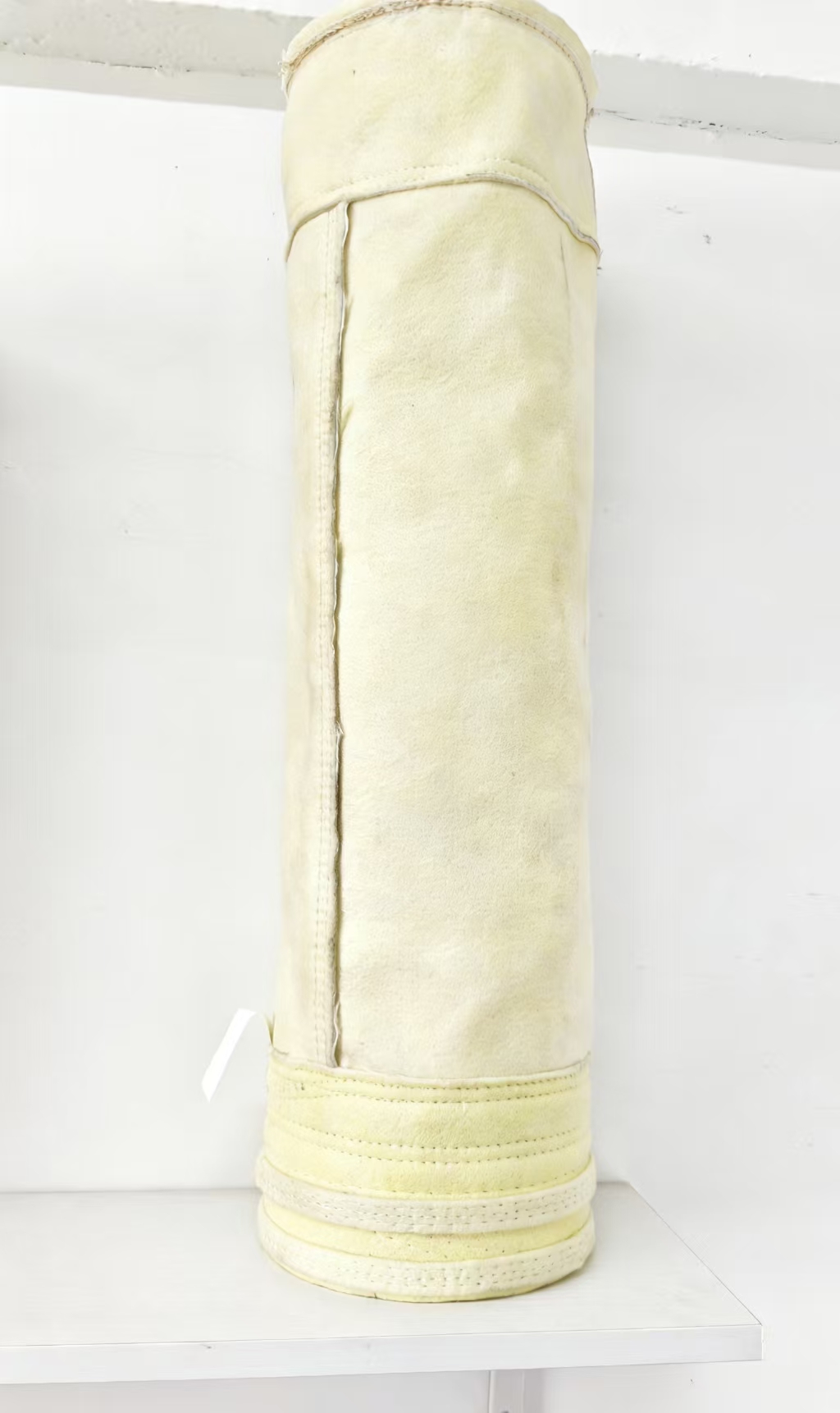
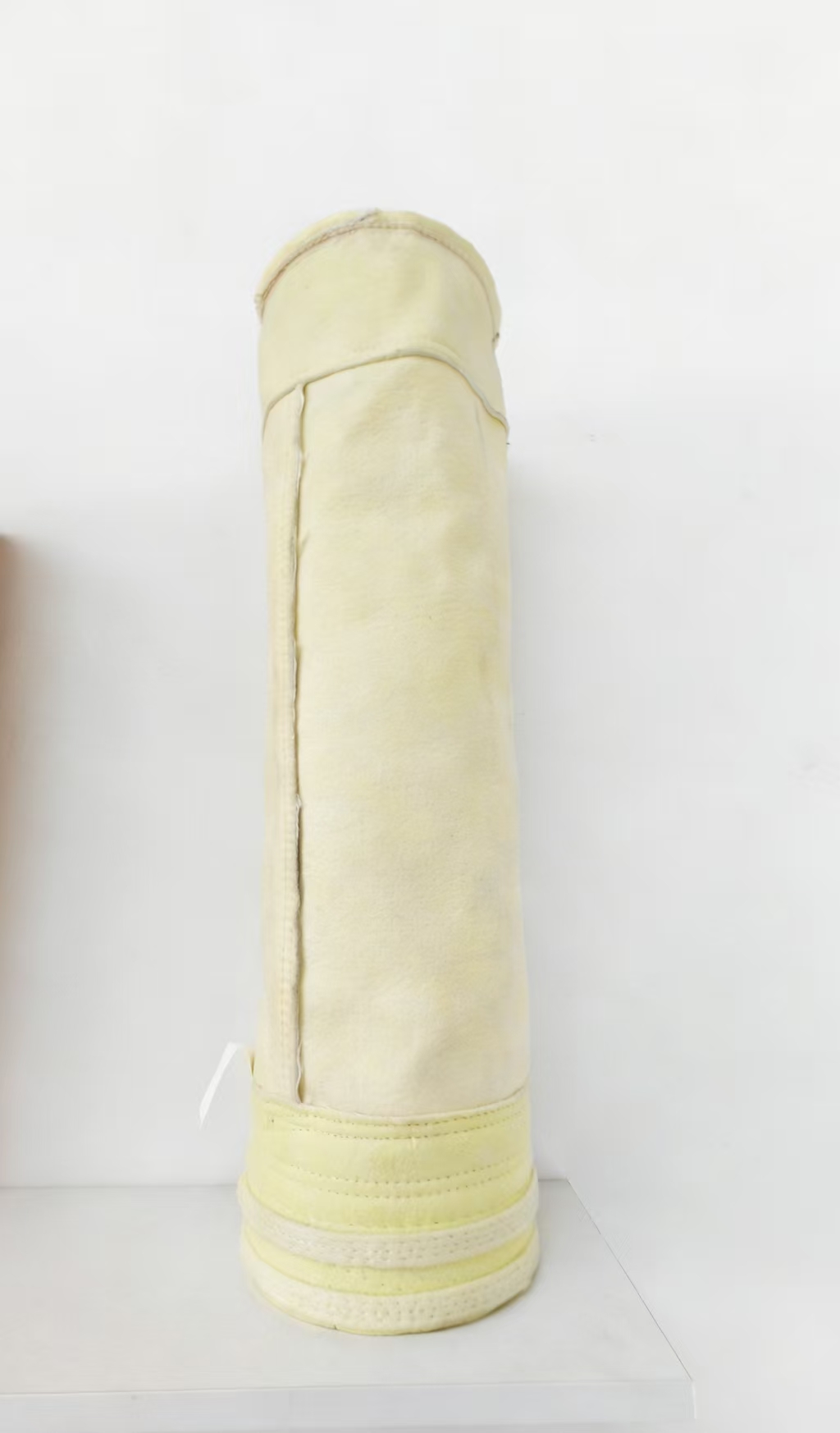
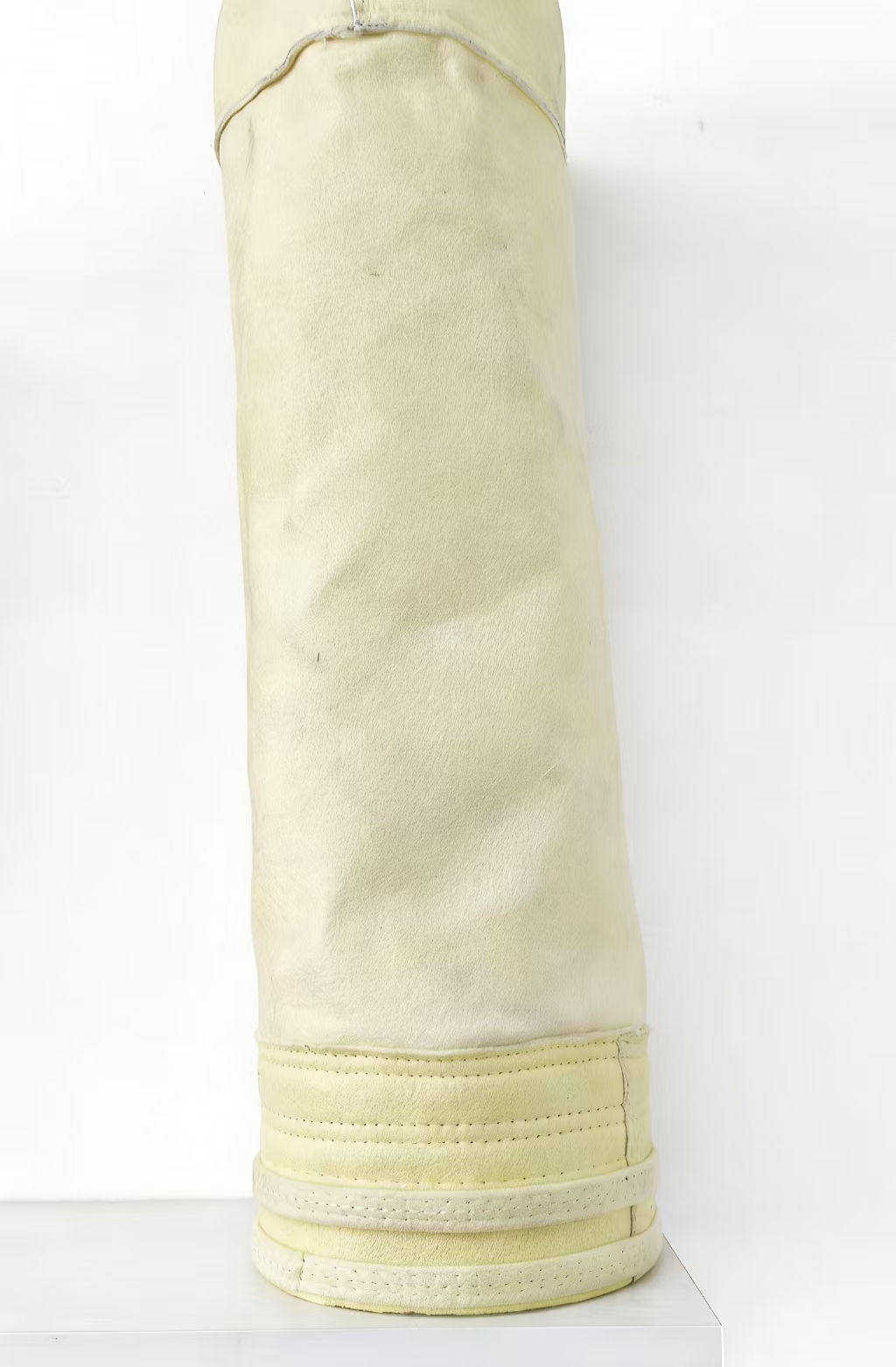
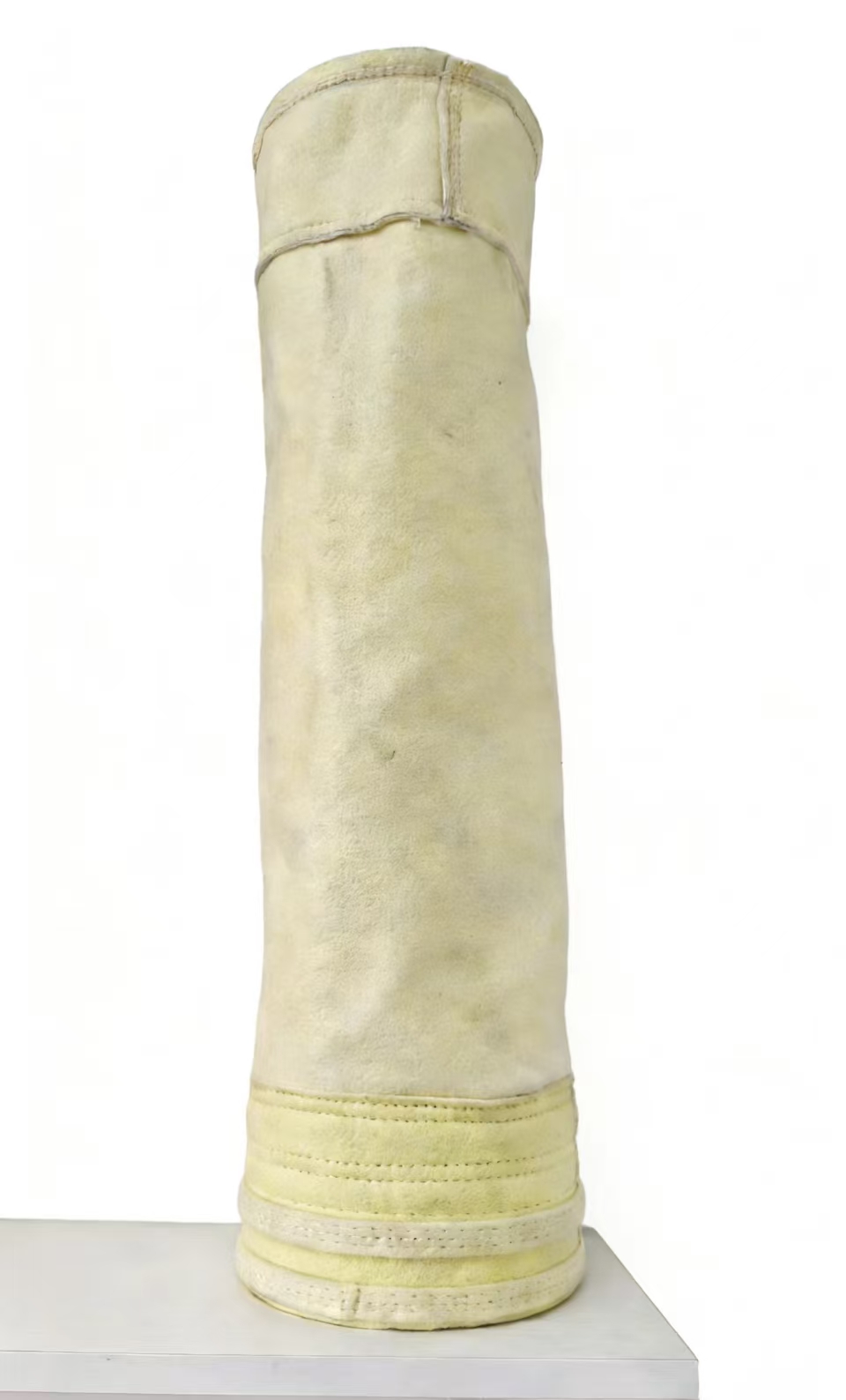
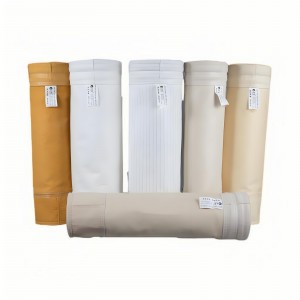
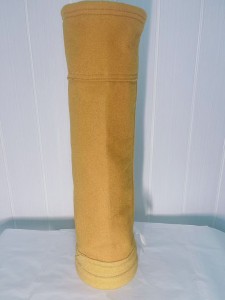
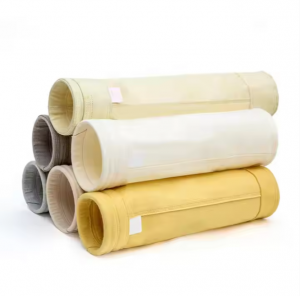
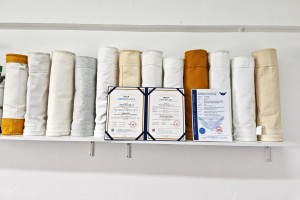
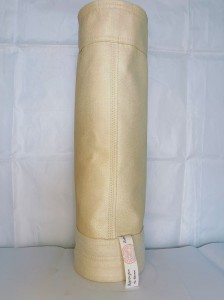
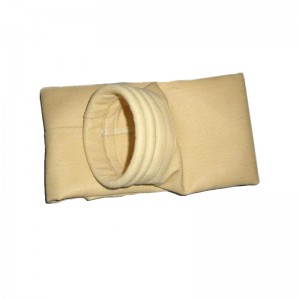
Glass Fiber Filter Bags – A Core Filter for High-Temperature and Complex Working Conditions
In the field of industrial dust removal and flue gas purification, glass fiber filter bags have become the core filtering medium for harsh working conditions due to their excellent high-temperature resistance and corrosion resistance. As a filtering material made of high-purity glass fiber as the base material, woven or needle-punched through special processes, it breaks the application limitations of traditional filter materials in high-temperature and corrosive environments, providing key support for environmental compliance in industries such as steel, chemical industry, and cement.
The core advantages of glass fiber filter bags stem from the in-depth integration of the inherent material properties of glass fibers and process innovation. In terms of temperature resistance, their long-term service temperature can reach 260℃, and the instantaneous temperature resistance can be as high as 350℃, far exceeding conventional filter materials such as polyester and aramid. They can stably handle high-temperature flue gas without additional cooling devices, significantly reducing system energy consumption. At the same time, they possess excellent chemical stability, capable of long-term operation in acidic and alkaline environments with a pH value of 2-12, effectively resisting corrosion from harmful gases such as SO₂ and HCl in industrial flue gas. Moreover, they have no risk of electrostatic accumulation, and their Class A non-combustible property makes them suitable for explosion-proof scenarios such as flammable dust, ensuring high safety.
Optimized structural design further enhances their filtering performance. The three-dimensional microporous network structure constructed by single fiber dispersion technology has a porosity of over 80%, forming gradient filtering channels. It not only achieves energy-saving operation with low initial pressure difference (≤120Pa) but also achieves a retention rate of over 99.9% for particles above 0.3μm through deep filtration mechanism. To address the inherent brittleness of glass fiber materials, the industry has improved through technologies such as PTFE membrane coating and flexible impregnation, increasing the folding resistance life of filter bags by 3-5 times, reducing dust adhesion, and extending the ash cleaning cycle. Under standard working conditions, the service life can be as long as 3-5 years.
In practical applications, glass fiber filter bags have penetrated into multiple key industrial fields. In the steel industry, they are used for dry dust removal of blast furnace gas, capable of handling high-temperature flue gas with an air volume exceeding 1 million m³/h; in the alkaline dust environment at the tail of cement kilns, glass fiber filter bags treated with PTFE membrane coating can effectively resist erosion from CaO and MgO, maintaining stable filtering efficiency up to standard; in the field of waste incineration and hazardous waste treatment, their high-temperature and corrosion resistance can cope with flue gas temperatures of 180-260℃, while efficiently capturing pollutants such as dioxins and heavy metals, making the emission concentration meet strict EU standards. In addition, in high-temperature, high-humidity or highly corrosive working conditions such as biomass power generation and chlor-alkali chemical industry, glass fiber filter bags also demonstrate irreplaceable value through precise adaptability to working conditions.
Scientific selection and maintenance are crucial to exerting the performance of glass fiber filter bags. During selection, the type of filter material should be matched according to flue gas temperature and corrosive component concentration; for example, caution should be exercised when the concentration of Cl⁻ and SO₃ is high. Pre-coating with Ca(OH)₂ should be carried out in the initial operation stage, and the injection pressure should be controlled at 0.2-0.3MPa to avoid fiber damage caused by high-pressure impact. Detecting the integrity of filter bags every 6 months through differential pressure method or fluorescent penetrant inspection can significantly extend their service life and maximize technical and economic benefits.