Timer controller
-

Select the Right Pulse Jet Controller to Improve Overall Dust‑Removal System Efficiency
Poor dust‑removal performance, fast filter‑bag wear and frequent pulse‑valve failures for baghouse dust collectors are often caused by improper pulse controller selection or parameter tuning, aside from filter‑bag and air‑source issues. As the command center of the cleaning system, the quality of pulse controllers greatly influences total operating costs of dust‑handling equipment.
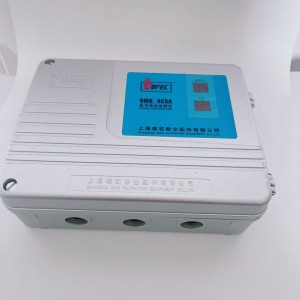
DMK‑4CSA‑6 pulse jet controller is engineered for industrial dust‑control applications, balancing solid reliability and user‑friendly operation. Dual‑voltage input of 220VAC and 24VDC allows connection to existing plant wiring without large‑scale modification. Digital displays offer precise numerical adjustment for pulse width, blow‑off interval and cycle groups, overcoming the inaccuracy of older dip‑switch controllers.
Robust die‑cast aluminum housing delivers better resistance against dust erosion and mechanical vibration compared with ordinary plastic casings, ideal for workshops with grinding, crushing and mixing processes. Multi‑function LED indicators show power, running and output status in real time. Abnormal conditions can be located rapidly to minimize downtime and production losses.
Adjust parameters according to actual dust load: shorten blow‑off intervals under heavy dust concentration; extend intervals for light‑dust conditions to reduce actuation frequency. Optimized parameters avoid filter‑bag blinding and preserve air flow capacity. Meanwhile, fewer valve cycles extend service life of key wear parts such as valve diaphragms and filter bags, saving spare‑part expenses.
Compatible with mainstream pulse solenoid valves on the market, this controller fits most medium‑and‑small baghouse dust collectors. It can be used for new‑machine matching as well as direct replacement for worn‑out legacy pulse controllers. Simple wiring and fast on‑site commissioning deliver stable timing signals for continuous effective cleaning. It supports compliant dust emission and acts as a practical, reliable control accessory for industrial dust‑mitigation facilities.
-

DMK‑4CSA‑6 Pulse Jet Controller – The Core Brain of Baghouse Dust Collectors
Within a complete bag‑type dust removal system, the pulse jet controller serves as an essential core control unit. It directly determines the cleaning efficiency, filter bag service life and overall operational stability of dust collectors. The DMK‑4CSA‑6 pulse jet controller is specially developed for baghouse dust removal equipment, widely used in mining, building materials, metallurgy, chemical, woodworking dust treatment and other dust‑removal working conditions.
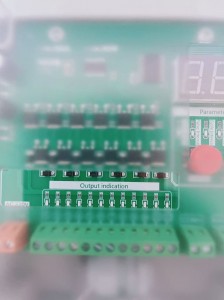
This controller supports dual‑voltage power supply: 220VAC / 24VDC, compatible with most on‑site power conditions for flexible installation and commissioning. Equipped with dual digital displays on the front panel, operators can clearly view key parameters including pulse width, blow‑off interval and cycle time. With Set and adjustment buttons, on‑site staff can modify settings quickly without complicated training. LED indicators for Power, Run and Output show real‑time working status, simplifying fault diagnosis.
The die‑cast aluminum enclosure is impact‑resistant, dust‑proof and water‑proof. It performs reliably in harsh industrial workshops with heavy dust and fluctuating ambient temperatures, protecting internal circuits from environmental damage. It drives pulse solenoid valves to trigger sequential jet‑blow actions as programmed. Instant compressed‑air shock dislodges dust accumulated on filter bags and maintains good air permeability of filter media.
Proper settings of pulse width and interval are critical. Pulse width defines how long the solenoid valve stays open for air injection, while interval sets the waiting time between two consecutive blows. Well‑tuned parameters ensure thorough cleaning and prevent excessive cycling that wears filter bags and solenoid valves, cutting maintenance and spare‑part costs.
Featuring high integration and simple wiring, DMK‑4CSA‑6 is compatible with most right‑angle and submerged pulse valves. It is a cost‑effective option for new dust‑removal projects as well as retrofitting old dust collectors, helping dust‑removal systems operate stably to meet emission standards.
-
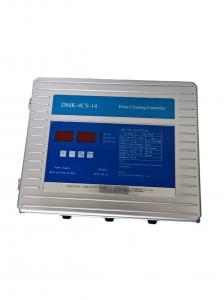
The DMK – 4CS – 14 pulse controller
This is a Pulse Cleaning Controller, model DMK – 4CS – 14, produced by a Shanghai – based company (SHANGHAI AASS TECHNOLOGY CO., LTD). It is often used in equipment like bag – type dust collectors. By sending out pulse control signals, it cleans filtering components (such as filter bags) at set times or as needed, ensuring the continuous and efficient operation of the dust removal system.
Key information:- Power Supply: Supports AC 185V – 264V, 50 – 60Hz alternating current, with an output of DC 24V/1A.
- Functions: The panel has a display window and operation buttons. It can set parameters related to ash cleaning (such as pulse width, interval, etc.), enabling automatic or manual ash – cleaning control to maintain the filtering performance of dust – removal equipment.
-
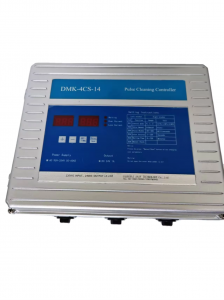
The DMK – 4CS – 14 controller
The DMK – 4CS – 14 controller has a built – in specific control program. Through the buttons and display window on the panel, the operator can set parameters related to cleaning, such as the pulse interval time (the time interval between two jets) and the pulse width (the duration of each jet). After setting the parameters, the controller will send out electrical signals regularly according to the set logic.Solenoid Valve Driving
When the controller sends out an electrical signal, the signal will be transmitted to the connected pulse solenoid valve. The pulse solenoid valve is a key executive component in the cleaning system. Before receiving the electrical signal from the controller, it is in a closed state, cutting off the path of compressed air. When receiving the electrical signal, the solenoid valve opens quickly, allowing compressed air to pass through.Compressed Air Jet
Compressed air is usually provided by an air source device (such as an air compressor) and is stored and stabilized by an air storage tank to ensure that there is compressed air with sufficient pressure and flow. When the pulse solenoid valve is opened, the compressed air will pass through the orifice on the injection pipe at a very high speed, forming a powerful pulse air flow.Filter Bag Cleaning
These high – speed pulse air flows are directly injected into the interior of the filter bag. Under the action of the pulse air flow, the filter bag will expand instantaneously, generating an outward tension. Since there are dust and other impurities attached to the surface of the filter bag, under the expansion of the filter bag and the impact of the air flow, the dust attached to the surface of the filter bag will be shaken off and fall into the ash hopper below, thus realizing the cleaning of the filter bag, restoring the filtering performance of the filter bag, and ensuring the continuous and efficient operation of the dust removal equipment. -
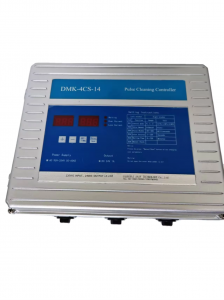
What is the cleaning principle of the DMK-4CS-14 controller?
The DMK – 4CS – 14 pulse cleaning controller is mainly used to control the pulse jet cleaning system. Its cleaning principle is based on the following key links:
Signal Control
The DMK – 4CS – 14 controller has a built – in specific control program. Through the buttons and display window on the panel, the operator can set parameters related to cleaning, such as the pulse interval time (the time interval between two jets) and the pulse width (the duration of each jet). After setting the parameters, the controller will send out electrical signals regularly according to the set logic.Solenoid Valve Driving
When the controller sends out an electrical signal, the signal will be transmitted to the connected pulse solenoid valve. The pulse solenoid valve is a key executive component in the cleaning system. Before receiving the electrical signal from the controller, it is in a closed state, cutting off the path of compressed air. When receiving the electrical signal, the solenoid valve opens quickly, allowing compressed air to pass through.Compressed Air Jet
Compressed air is usually provided by an air source device (such as an air compressor) and is stored and stabilized by an air storage tank to ensure that there is compressed air with sufficient pressure and flow. When the pulse solenoid valve is opened, the compressed air will pass through the orifice on the injection pipe at a very high speed, forming a powerful pulse air flow.Filter Bag Cleaning
These high – speed pulse air flows are directly injected into the interior of the filter bag. Under the action of the pulse air flow, the filter bag will expand instantaneously, generating an outward tension. Since there are dust and other impurities attached to the surface of the filter bag, under the expansion of the filter bag and the impact of the air flow, the dust attached to the surface of the filter bag will be shaken off and fall into the ash hopper below, thus realizing the cleaning of the filter bag, restoring the filtering performance of the filter bag, and ensuring the continuous and efficient operation of the dust removal equipment.In short, the DMK – 4CS – 14 controller precisely controls the opening and closing of the solenoid valve and uses compressed air pulses to impact and shake the filter bag, thereby removing the dust on the surface of the filter bag and completing the cleaning process. -
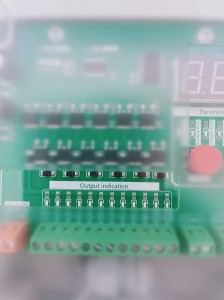
Unleash the Power of Efficient Dust Removal with the High Quality QHK-ZX-12D Pulse Controller
When it comes to maintaining a clean and healthy industrial environment, having an effective dust removal system is crucial. The High Quality QHK-ZX-12D Pulse Controller for Dust Removal is a state-of-the-art device that takes dust collection to the next level, offering superior performance and innovative features.
The QHK-ZX-12D Pulse Controller is designed with precision and durability in mind. Its high-quality build ensures reliable operation even in the most challenging conditions. The advanced pulse control technology enables it to deliver powerful and consistent cleaning pulses, effectively removing dust from filters and ensuring maximum airflow. This not only extends the lifespan of your dust collection equipment but also improves overall system efficiency.
One of the standout features of the QHK-ZX-12D Pulse Controller is its flexibility. It can be configured to work with different types of dust collectors and filter media, making it a versatile choice for a variety of applications. Whether you’re operating a small workshop or a large industrial facility, this controller can be customized to meet your specific dust removal needs.
In addition to its performance capabilities, the QHK-ZX-12D Pulse Controller also offers enhanced safety features. The built-in diagnostic system continuously monitors the controller’s operation, alerting you to any potential issues before they become major problems. This proactive approach helps to minimize downtime and ensure the smooth running of your dust removal system.
Overall, the High Quality QHK-ZX-12D Pulse Controller for Dust Removal is a must-have for any business that values clean air and efficient operations. Its advanced technology, flexibility, and safety features make it a reliable and cost-effective solution for all your dust removal needs. Upgrade your dust collection system with the QHK-ZX-12D Pulse Controller and enjoy the benefits of a cleaner, healthier workplace.
-
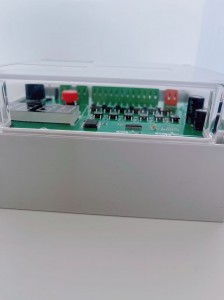
High Quality QHK-ZX-12D Pulse Controller for Dust Removal
When it comes to maintaining a clean and healthy industrial environment, having an effective dust removal system is crucial. The High Quality QHK-ZX-12D Pulse Controller for Dust Removal is a state-of-the-art device that takes dust collection to the next level, offering superior performance and innovative features.The QHK-ZX-12D Pulse Controller is designed with precision and durability in mind. Its high-quality build ensures reliable operation even in the most challenging conditions. The advanced pulse control technology enables it to deliver powerful and consistent cleaning pulses, effectively removing dust from filters and ensuring maximum airflow. This not only extends the lifespan of your dust collection equipment but also improves overall system efficiency.One of the standout features of the QHK-ZX-12D Pulse Controller is its flexibility. It can be configured to work with different types of dust collectors and filter media, making it a versatile choice for a variety of applications. Whether you’re operating a small workshop or a large industrial facility, this controller can be customized to meet your specific dust removal needs.In addition to its performance capabilities, the QHK-ZX-12D Pulse Controller also offers enhanced safety features. The built-in diagnostic system continuously monitors the controller’s operation, alerting you to any potential issues before they become major problems. This proactive approach helps to minimize downtime and ensure the smooth running of your dust removal system.Overall, the High Quality QHK-ZX-12D Pulse Controller for Dust Removal is a must-have for any business that values clean air and efficient operations. Its advanced technology, flexibility, and safety features make it a reliable and cost-effective solution for all your dust removal needs. Upgrade your dust collection system with the QHK-ZX-12D Pulse Controller and enjoy the benefits of a cleaner, healthier workplace. -
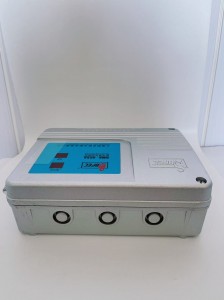
Introduction of DMK-4CSA-20 Controller
1. Overview
The DMK-4CSA-20 is a pulse injection controller, which serves as the main control device for the pulse injection cleaning system of the pulse bag dust collector. It controls the electromagnetic pulse valves by outputting signals, enabling the compressed air to cyclically inject and clean the filter bags. This maintains the resistance of the dust collector within the set range, ensuring the dust collector’s processing capacity and dust removal efficiency.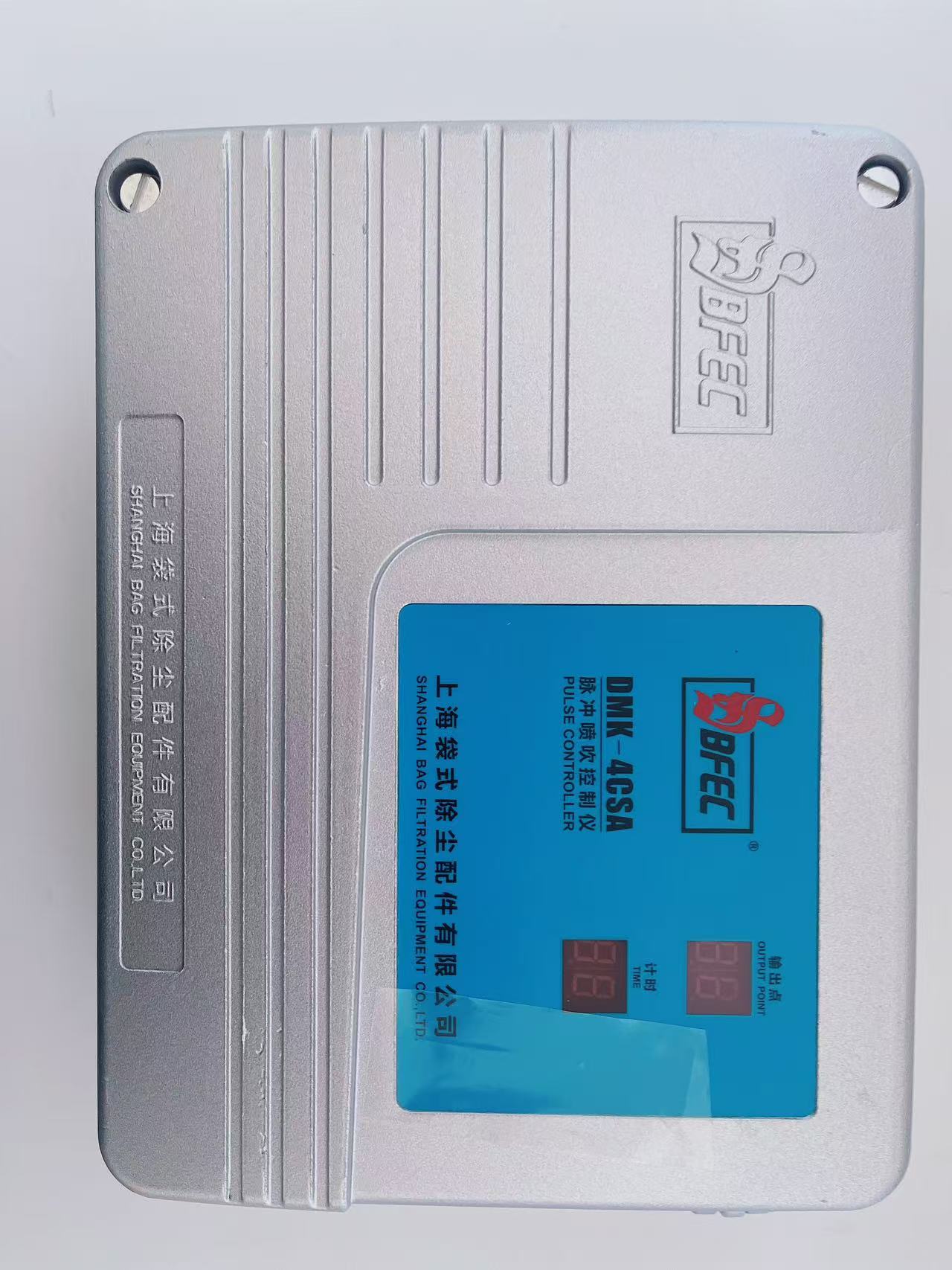
2. Functional Features
- Flexible Control Modes: It adopts a programmable combined output mode, capable of achieving one-machine control for small-scale dust collectors with less than 19 output points. It can be combined into a mode of M lift valves + N pulse valves, easily realizing M + MN point switch quantity output. It can achieve both online and offline control. When M = 0, it is in the offline cleaning mode.
- Superior Output Performance: Using imported high-power contactless devices for output, it can achieve real-time output of the pulse valves, improving the hysteresis phenomenon of relay output.
- Diverse Parameter Settings: The core control uses a single-chip microcomputer, allowing the setting of key parameters, including digital display, cycle interval, pulse interval, and pulse width, etc. And it controls the cleaning process according to the “Stop/Run” signal. The output pulse width can be adjusted within the range of 0.01 – 0.99 seconds. The adjustment range of the output pulse interval is 1 – 99 seconds, and the adjustable range of the cycle interval is 0 – 99 minutes.
3. Technical Parameters
- Input Voltage: 220V AC.
- Output Voltage: 24V DC.
- Number of Output Bits: 20 bits, which can control 9 – 20 electromagnetic pulse valves.
- Dimensions: 240mm×160mm×90mm.
- Working Environment: The temperature ranges from -25℃ to 55℃, the relative humidity is less than 85%, and there is no serious corrosive gas, conductive dust, severe vibration, or impact in the surroundings.
-
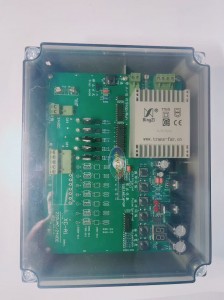
Display Control Instruments: A Key Link in Industrial Process Automation
Display control instruments, as important components of detection and control products in industrial process automation systems, have left a profound mark and played an irreplaceable role in many industries, including national defense, steel, power, petrochemicals, machinery, pharmaceuticals, textiles, metallurgy, and printing and dyeing. They are like the intelligent eyes and dexterous hands in industrial production, capable of sensitively perceiving changes in various physical quantities and quickly and accurately regulating relevant equipment.
The core functions of display control instruments include comprehensive processing of various signals such as temperature, pressure, liquid level, and speed on – site. First, they accurately collect these signals to ensure the acquisition of the most real and accurate data. Then, they display the data in a clear and intuitive manner. Whether it is through pointer, recording pen, printing, or display screen, operators can clearly understand the current operating status of the system at a glance. In terms of control, they precisely control relevant equipment based on preset parameters and algorithms, ensuring that the entire production process runs stably in accordance with established technological requirements. They also have a remote transmission function, which can transmit the collected data to a remote monitoring center, facilitating managers to grasp the production situation anytime and anywhere. The communication function enables display control instruments to conduct efficient data interaction with other devices, constructing a large – scale and intelligent industrial automation network. The printing function provides convenience for data preservation and analysis, facilitating subsequent traceability and optimization of the production process.To meet the diverse needs of different industries and scenarios, display control instruments exhibit many remarkable features in technology and design. In terms of anti – interference ability and reliability, they adopt IC chips with higher integration, advanced SMT surface – mount technology, and unique circuit shielding technology. The comprehensive application of these technologies makes display control instruments seem to wear a solid “protective armor,” enabling them to work stably for a long time in an electromagnetic – interference environment and ensuring the accuracy of data and the reliability of control. Their universal input jumper settings are highly innovative. Each instrument can easily achieve input of various indexing numbers, standard signals, remote – transmission pressure signals, and millivolt signals through simple and quick parameter settings, greatly improving the instrument’s versatility and enabling it to adapt to complex and changeable industrial environments. The modular universal circuit structure is also a major highlight. Through simple module combinations, various functions of the instrument can be transformed, from basic measurement and display functions to complex control and communication functions, which can be flexibly adjusted according to actual needs, significantly enhancing the instrument’s versatility and flexibility.In terms of calibration, display control instruments adopt a microcomputer – controlled full – automatic digital calibration system, abandoning the traditional potentiometer adjustment method. This advanced calibration system not only improves the accuracy and efficiency of calibration but also reduces errors and instability factors caused by manual adjustment. Their appearance design also fully considers aesthetics and practicality, with a variety of appearance structures and sizes available, enabling perfect integration with different industrial devices and operating environments. Both the entire machine and the movement assembly adopt a snap – in structure. This ingenious design makes maintenance and disassembly extremely convenient, greatly reducing equipment maintenance costs and downtime. In terms of power supply selection, display control instruments are also very flexible. They can choose conventional AC 220V, 50/60HZ power supply, 90 – 265V switching power supply, or DC 24V power supply to meet the power supply requirements of different occasions. In addition, they can be equipped with RS – 232/RS – 485 or RS – 422 communication interfaces, facilitating connection with the host computer to form a more powerful control system and achieving a higher level of automated control and management. -
A Comprehensive Analysis of Control Instruments
In modern industrial production and numerous technological application scenarios, control instruments play an extremely crucial role. They are like precise commanders, regulating various complex systems in an orderly manner. Essentially, a control instrument is a device that automatically controls the controlled variables. It accurately compares the measured signals with the set values, calculates based on specific control laws for the deviation signals, and finally outputs the calculation results as specified signals to achieve precise control over the entire process.
Control instruments come in a wide variety of classifications. In terms of energy sources, there are electric, pneumatic, and hydraulic control instruments. Electric control instruments are widely used in the industrial field due to their high efficiency, precision, and ease of integration with modern electrical systems. Pneumatic control instruments, on the other hand, hold a certain market share because of their safety in environments with high explosion – proof requirements and their adaptability to certain special processes. Hydraulic control instruments play an important role in situations where high torque and high – power output are required. Structurally, they can be divided into base – mounted and unit – combined types. All components of base – mounted control instruments are closely connected through an inseparable mechanical structure and are installed in a single enclosure. Just one instrument can handle a series of tasks such as measurement, recording, and control in simple automation systems. Common examples include temperature controllers and pressure controllers. They are compact in structure and concentrated in function, suitable for relatively independent small – scale systems with less complex control requirements. Unit – combined controllers, however, consist of multiple units such as 变送 (transmitter), regulation, operation, display, and execution. Standard signals are used for communication between these units. This modular design allows for flexible combination of various units according to different needs, enabling the construction of control systems of different complexities. As a result, it greatly improves the versatility and flexibility of control instruments, and is widely applied in large – scale industrial automation production lines and complex industrial process control systems.There are various sophisticated control laws embedded within control instruments, which are the core of achieving precise control. In the field of chemical automation, common basic control laws include proportional action (P), integral action (I), and derivative action (D). In proportional action, the change in the controller’s output is in strict proportion to the change in the deviation. The larger the deviation, the stronger the control action.In situations such as liquid – level control where strict elimination of residual deviation is not required, proportional action alone can achieve good control results. In integral action, the rate of change of the controller’s output is proportional to the deviation. The longer the deviation exists, the stronger the control action. It is mainly used in situations where high requirements for eliminating residual deviation are imposed. However, it is rarely used alone in the chemical industry. In derivative action, the controller’s output is proportional to the rate of change of the deviation. It can excel in situations where accelerating the regulation process is necessary, and is also seldom used alone in the chemical industry. In practical applications, control laws are often a clever combination of proportional action and other actions. For example, for the control of general parameters such as flow rate, proportional – integral action (PI) is commonly used. It combines the advantages of proportional action’s rapid response to deviation and integral action’s elimination of residual deviation. For objects with large inertia, such as temperature and composition control, proportional – integral – derivative action (PID) is usually adopted. This combination can more comprehensively deal with complex control situations and achieve more accurate and efficient control.Control instruments are widely applied in industrial production and many other industries. They can cooperate seamlessly with various sensors and transmitters to achieve accurate measurement and clear display of physical quantities such as temperature, pressure, liquid level, volume, and force. Moreover, they can coordinate with various actuators to perform PID regulation and control on electric heating equipment, electromagnetic, and electric valves. They also have alarm control and data acquisition functions. In the petrochemical industry, the precise control of key parameters such as reaction temperature and pressure by control instruments is directly related to product quality and the safety and stability of the production process. In the pharmaceutical industry, they ensure the accuracy of raw material ratios during drug production and the precision of finished product packaging dosages, safeguarding drug quality and patient safety. In the food processing industry, they are used for accurate metering of ingredients and finished products, ensuring strict compliance with food quality and safety standards. From large – scale industrial production to fine – scale pharmaceutical and food processing, control instruments are everywhere, providing solid support for the efficient and stable operation of various industries. -
Dust removal equipment controller industry development trend and prospect
In the context of the increasing global environmental awareness and the continuous expansion of industrial production scale, the market demand for dust removal equipment is growing. As the core control component of dust removal equipment, the dust removal equipment controller industry has also ushered in new development opportunities and challenges. In-depth analysis of the development trend of this industry is of great significance for relevant enterprises to grasp the market dynamics and formulate reasonable development strategies.
Technological innovation promotes product upgrading
Deep integration of intelligent control technologyWith the rapid development of cutting-edge technologies such as the Internet of Things, big data and artificial intelligence, intelligence has become an important development trend in the dust removal equipment controller industry. In the future, the dust removal equipment controller will be more intelligent, able to collect and analyze a large number of data related to the operation of the dust removal system in real time, such as dust concentration, equipment pressure, temperature, valve switching status, etc. Through the deep mining and analysis of these data, the controller can use artificial intelligence algorithms to automatically optimize the cleaning strategy and achieve accurate control of the dust removal equipment. For example, according to the generation law and change trend of dust under different working conditions, the pulse width, pulse interval and cleaning cycle are intelligently adjusted, so that the dust removal equipment is always maintained in the best operating state, which not only improves the dust removal efficiency, but also effectively reduces energy consumption and equipment wear. At the same time, the intelligent controller can also achieve remote monitoring and fault diagnosis functions, operators can check the operating status of the equipment anytime and anywhere through mobile phones, computers and other terminal equipment, when the equipment is abnormal, the controller can quickly issue an alarm, and through data analysis to locate the cause of the fault, to provide accurate maintenance suggestions for maintenance personnel. Greatly improve the timeliness and convenience of equipment maintenance.
Application of high precision sensor technology
The application of high precision sensor will further improve the performance of dust removal equipment controller. In the dust removal system, the accurate measurement of dust concentration, pressure, temperature and other parameters is very important for the controller to achieve accurate control. The new high-precision dust concentration sensor can more accurately detect the content of fine dust particles in the air, provide more accurate dust concentration data for the controller, so that it can adjust the cleaning force and frequency according to the actual dust pollution situation. At the same time, the high-precision pressure sensor and temperature sensor can monitor the pressure and temperature changes inside the dust removal equipment in real time, and help the controller to timely find abnormal conditions during the operation of the equipment, such as pressure rise caused by the blockage of the filter bag, equipment overheating and other problems, and take appropriate measures to adjust and warn, to ensure the safe and stable operation of the dust removal equipment.
-
Timer controller:Cleaning Control Function
Main Functions
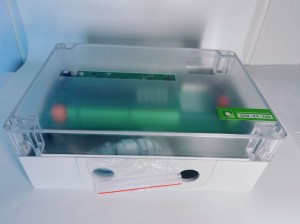
Cleaning Control FunctionCleaning control is one of the core functions of the dust removal equipment controller. By accurately setting parameters such as pulse width, pulse interval, and cycle interval, the controller can achieve efficient cleaning of filter bags. For example, the pulse width determines the duration of each blow of the electromagnetic pulse valve. An appropriate pulse width ensures that the compressed air effectively removes dust from the surface of the filter bags without causing excessive impact on the filter bags. The pulse interval controls the time interval between adjacent blows. A reasonable pulse interval allows the filter bags to restore their filtering performance sufficiently between two blows, thus ensuring the stable operation of the dust collector.Adjustable Output Channel FunctionDust removal equipment of different scales has different requirements for the number of output channels of the controller. The dust removal equipment controller has the function of adjustable output channels. Operators can use the “+” and “-” buttons of the universal dial switch to set the number of output channels of the controller according to actual needs. This function enables the controller to adapt to various dust removal equipment of different specifications, greatly improving its versatility and flexibility. For instance, a small dust collector may only require a small number of output channels to control a small number of electromagnetic pulse valves, while a large dust removal system may need a large number of output channels to achieve precise control of a large number of pulse valves.