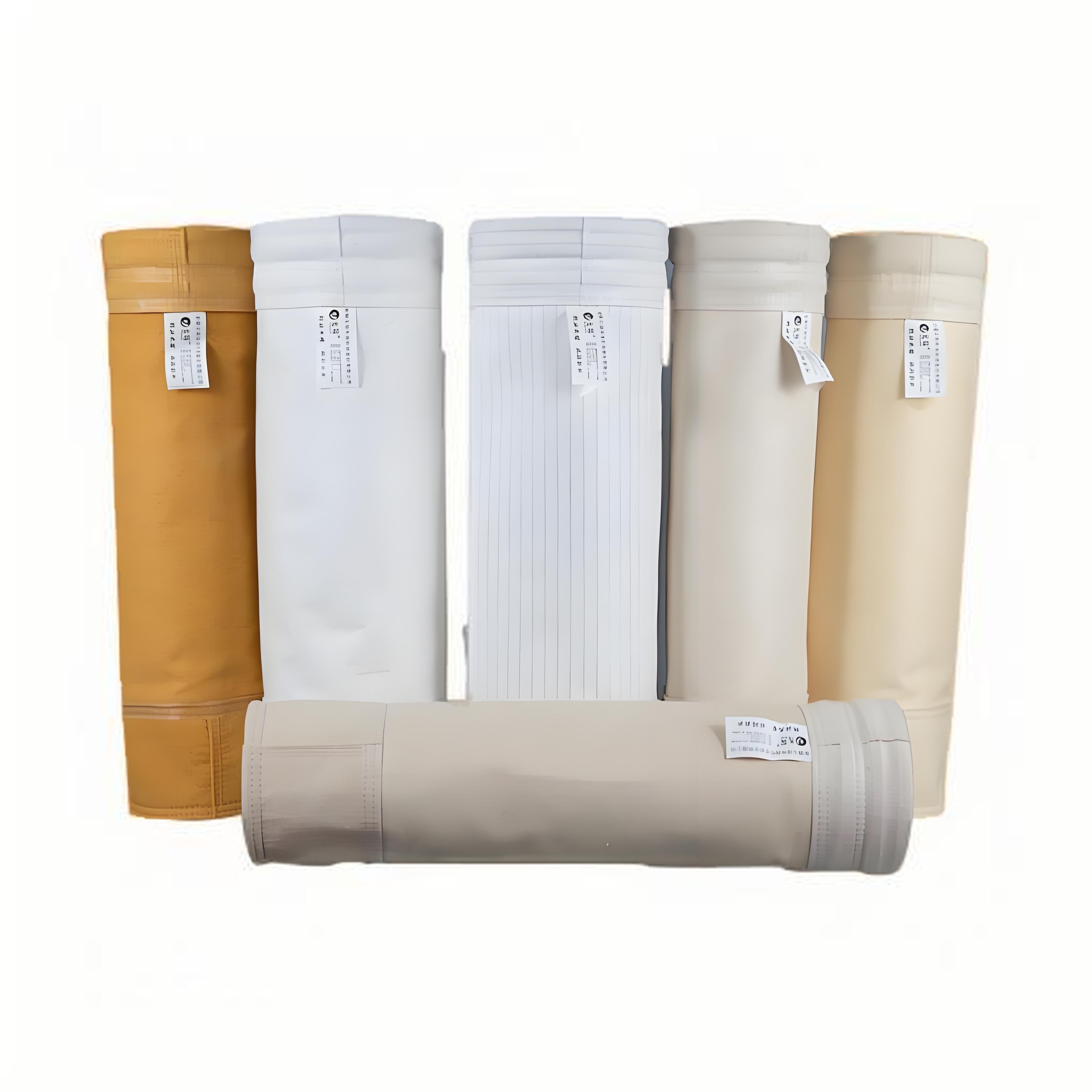
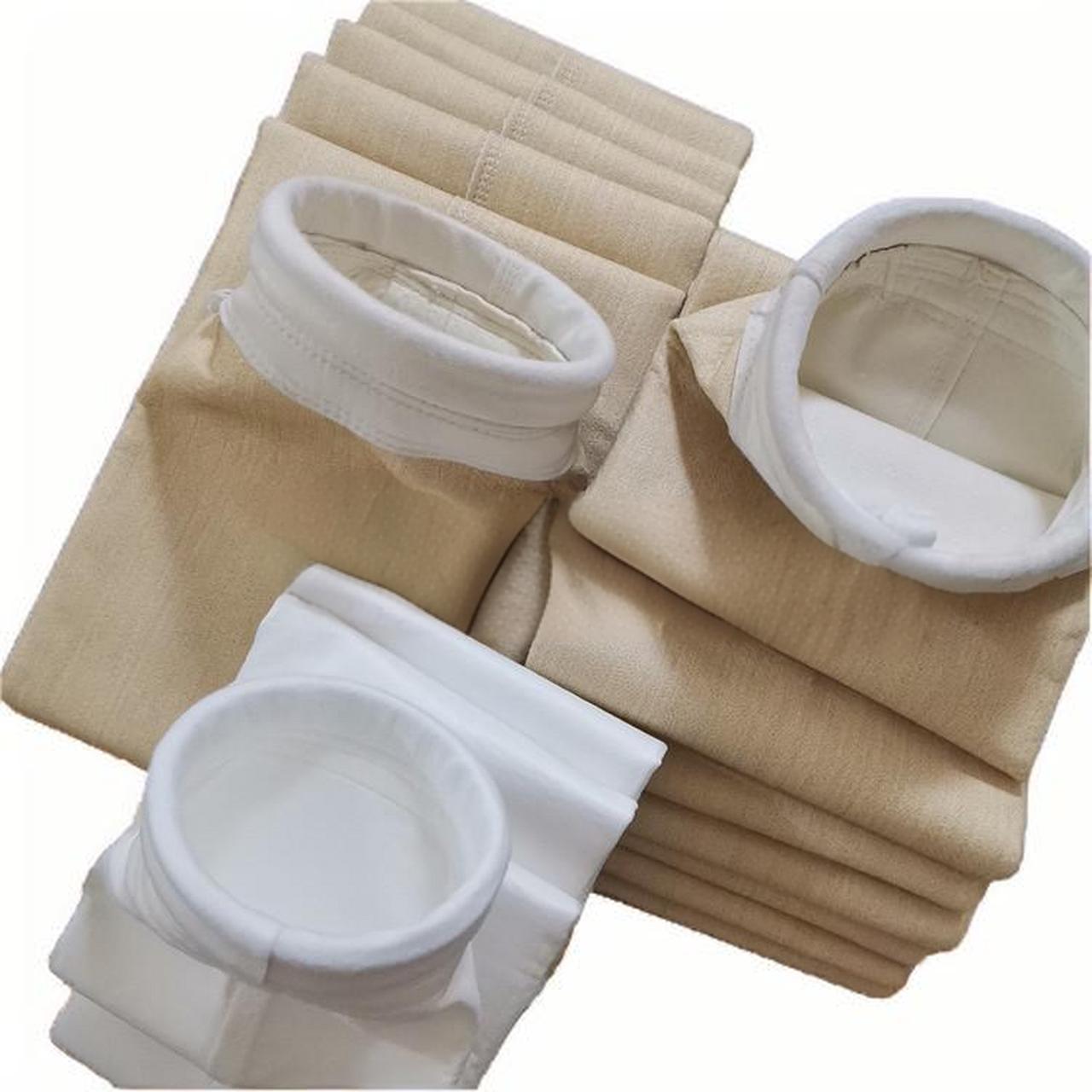
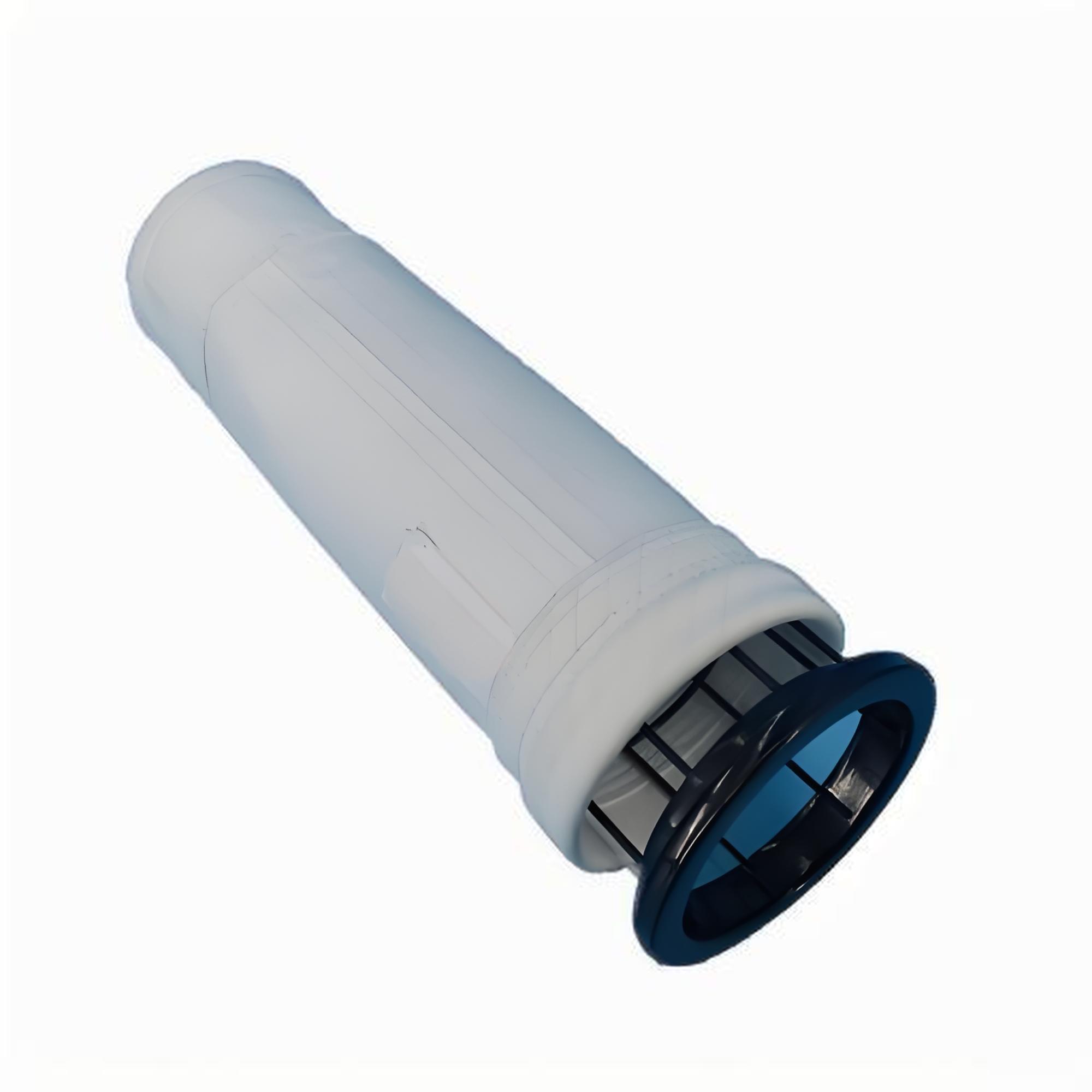
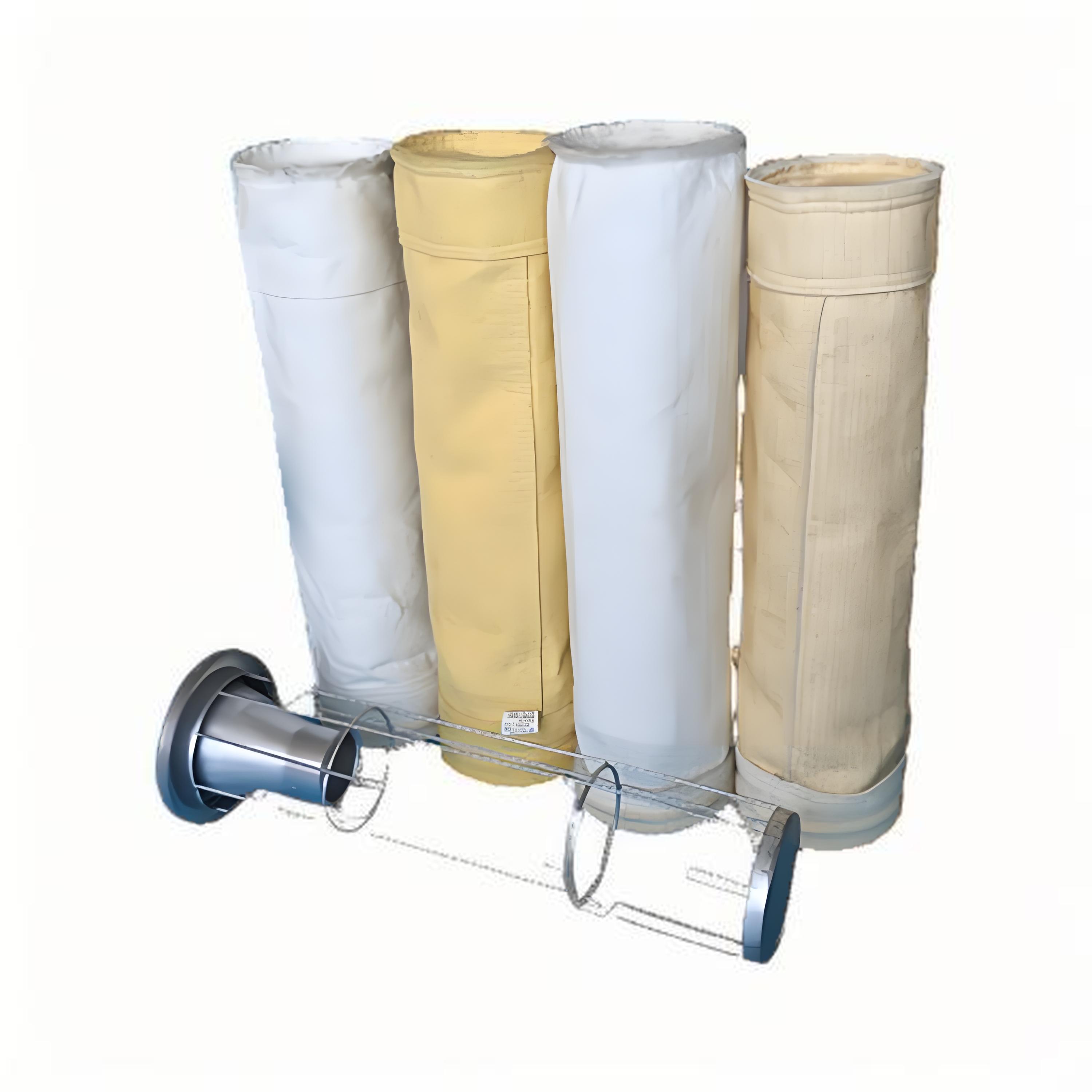
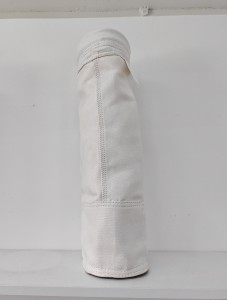
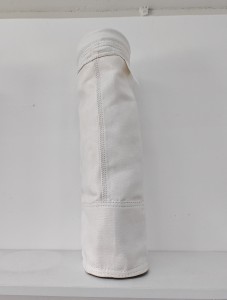
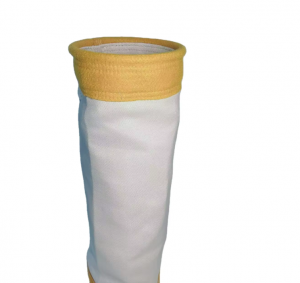
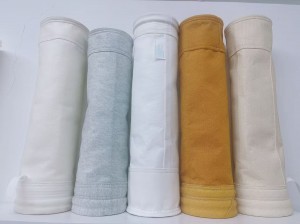
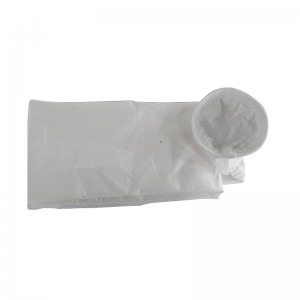
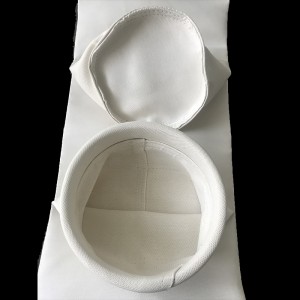
In the filtration processes of industrial production and environmental protection, polyester filter bags, with their outstanding comprehensive performance, have become one of the most widely used filtration materials. As a filtration product made from polyester fibers (polyester), it not only possesses stable physical and chemical properties but also can meet the filtration requirements of various industries and media, providing a core guarantee for improving production efficiency and achieving pollutant compliance emissions.
The core advantages of polyester filter bags stem from the superior characteristics of the raw materials. Polyester fibers have high strength and excellent wear resistance, with a breaking strength of 5-7 cN/dtex, capable of withstanding the high-pressure airflow impact and dust friction in industrial filtration, and extending the service life by 30%-50% compared to ordinary filtration materials. At the same time, polyester has good thermal stability, with a continuous working temperature of up to 130°C and a momentary temperature resistance of 150°C, which can meet the temperature requirements of most industrial conditions, avoiding filter deformation or failure due to high temperatures. In terms of chemical stability, polyester has good tolerance to acids, alkalis, and organic solvents, requiring special treatment only in strongly alkaline environments, enabling it to handle complex media filtration in industries such as chemical, metallurgy, and construction.
From the structural design perspective, polyester filter bags are processed through various techniques such as needle punching, hot rolling, and coating, to meet different filtration accuracy requirements. Needle-punched polyester filter bags, with their three-dimensional structure, have a porosity of over 70%, capable of efficiently trapping dust particles, with a filtration accuracy of 1-5 μm; coated polyester filter bags have a layer of PTFE film on the base fabric, using the micro-porous structure of the film to achieve “surface filtration”, not only increasing the filtration efficiency to over 99.9%, but also effectively preventing dust from adhering to the filter, reducing the frequency of cleaning and energy consumption. Additionally, according to different application scenarios, polyester filter bags can be customized in various shapes such as circular, elliptical, and rhombic, suitable for various equipment such as pulse bag-type dust collectors and bag-type dust collectors, with convenient installation and excellent sealing performance.
In the current era of increasingly strict environmental protection trends, the environmental value of polyester filter bags is also prominent. Polyester materials can be recycled and reused, conforming to the concept of circular economy; its efficient filtration performance can effectively control the concentration of dust emissions, helping enterprises meet national environmental protection emission standards and reducing air pollution. Whether it is smoke dust removal in the thermal power industry, raw material crushing filtration in the cement industry, or tail gas purification in the chemical industry, polyester filter bags can, with stable performance, longer service life, and higher cost-effectiveness, become the ideal choice in the field of industrial filtration.