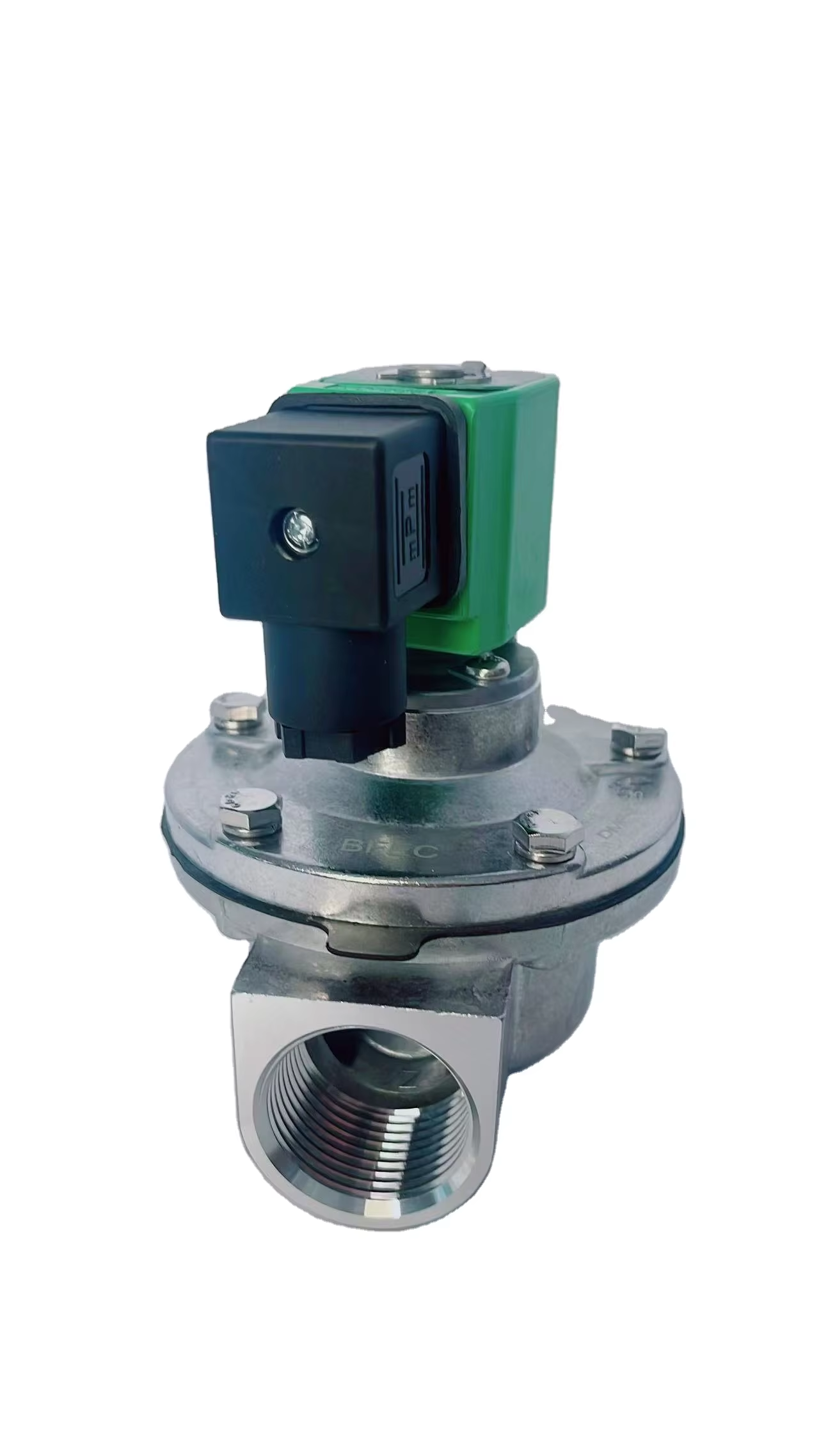
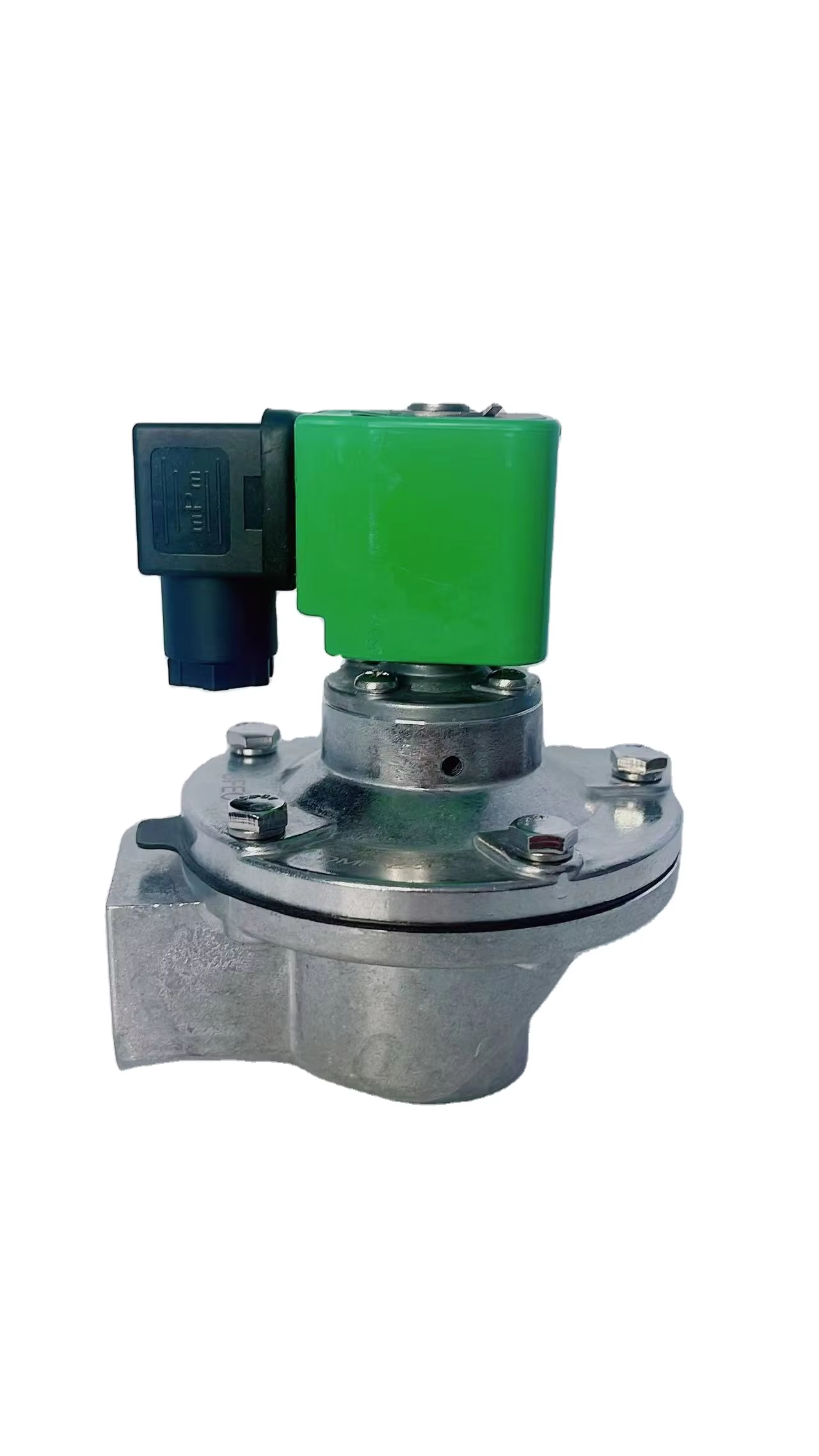
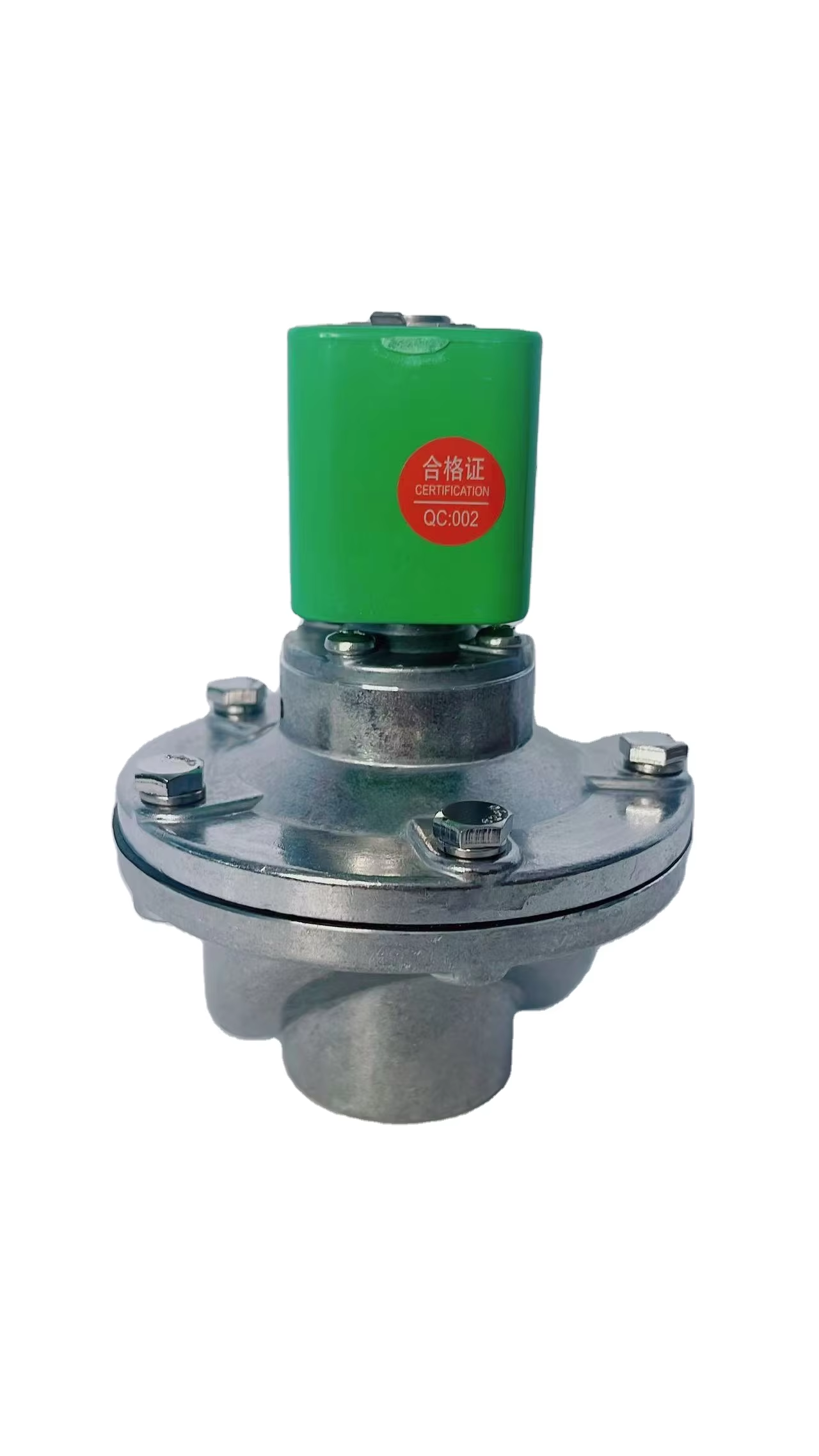
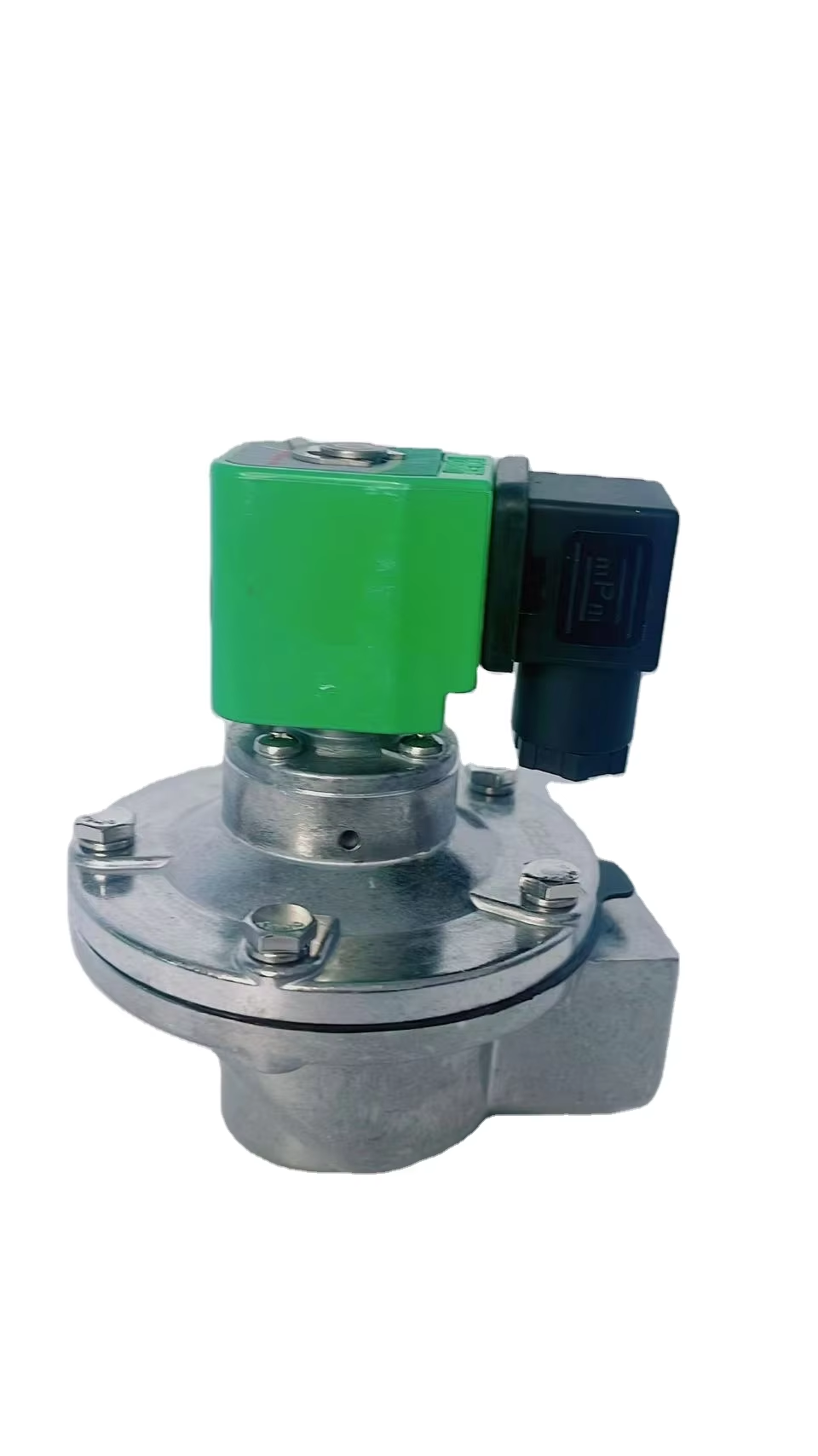
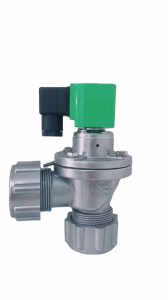
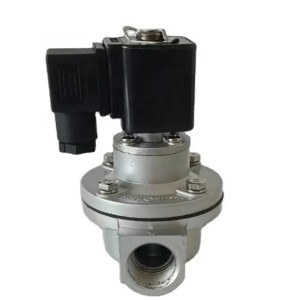
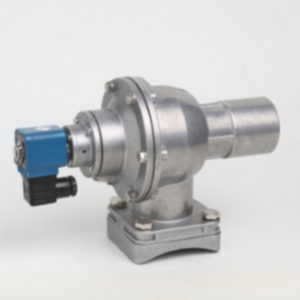
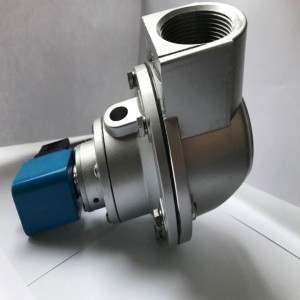
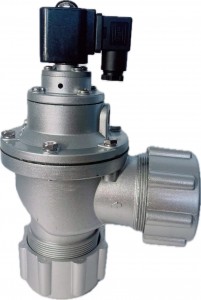
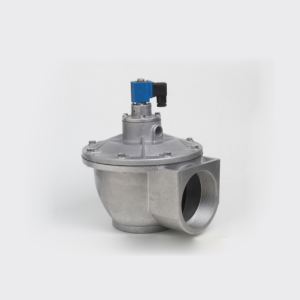
Pulse valves are the core control components of industrial pulse jet cleaning systems, widely used in dust collection equipment to realize efficient cleaning of filter bags. Their core function is to convert continuous compressed air into intermittent, high-speed pulse airflow through precise on-off control. The stable and rapid operation of pulse valves relies on a scientific pressure difference control mechanism, with the diaphragm assembly and solenoid pilot valve playing a pivotal role. This article will elaborate on the working principle of pulse valves in detail, including their core component collaboration and the three key stages of operation.
Core Components Involved in the Working Mechanism
Before exploring the working principle, it is necessary to understand the core components that drive the operation of pulse valves, as their coordinated work ensures the valve’s reliable performance. Industrial pulse valves (mainly pilot-operated types, the most widely used category) are composed of four key parts:
The valve body serves as the main structural framework, providing channels for compressed air flow and mounting positions for internal components. The solenoid pilot valve acts as the “control switch,” responsible for receiving electrical signals from the dust collector controller and regulating the pressure in the diaphragm upper chamber. The diaphragm assembly (including the pulse valve diaphragm) is the core executive component, whose movement directly controls the on-off of the main air channel. The reset spring assists the solenoid pilot valve in resetting after power failure, ensuring the diaphragm returns to the closed position stably.
Among these components, the diaphragm is the key vulnerable part. Made of rubber, PTFE, or fabric-reinforced materials, it must have excellent elasticity, wear resistance, and fatigue resistance to withstand frequent pressure changes and cyclic movements. The solenoid pilot valve, on the other hand, requires high response speed to ensure the pulse valve can complete the on-off action in milliseconds.
Three Stages of Pulse Valve Operation
The working process of pulse valves is based on the pressure difference control principle, which can be clearly divided into three stages: standby, opening (pulse jet), and resetting. Each stage is driven by the cooperative operation of the solenoid pilot valve and diaphragm, realizing precise control of compressed air.
1. Standby Stage: Pressure Balance Maintains Closure
In the standby state, the dust collector is in normal filtration mode, and the pulse valve remains closed to avoid unnecessary air consumption. At this time, the solenoid pilot valve is de-energized and in the closed position, blocking the exhaust channel connected to the upper chamber of the diaphragm. Compressed air from the air source enters the upper chamber of the diaphragm through a built-in small air passage in the valve body, while a portion of the air remains in the lower chamber of the diaphragm.
Due to the structural design, the pressure in the upper chamber of the diaphragm is slightly higher than that in the lower chamber. This pressure difference generates a downward force, pressing the diaphragm tightly against the valve seat of the main air channel. As a result, the main air channel is completely closed, and compressed air cannot pass through, ensuring the dust collector can stably filter dust without air leakage.
2. Opening Stage: Reverse Pressure Difference Triggers Pulse Jet
When the filter bags of the dust collector accumulate a certain amount of dust, the controller sends an electrical cleaning signal to the solenoid pilot valve. Upon receiving the signal, the solenoid pilot valve is instantly energized and opens, connecting the upper chamber of the diaphragm to the atmospheric environment through the exhaust channel.
The compressed air in the upper chamber of the diaphragm is quickly discharged to the atmosphere through the opened pilot valve, causing the pressure in the upper chamber to drop sharply in a short time. Meanwhile, the pressure in the lower chamber of the diaphragm remains unchanged (consistent with the air source pressure). This rapid pressure change forms a reverse pressure difference between the upper and lower chambers of the diaphragm, with the upward force in the lower chamber overcoming the downward force in the upper chamber.
Under the action of this reverse pressure difference, the diaphragm is pushed upward rapidly, opening the main air channel of the pulse valve. Compressed air from the air source then rushes through the main channel to the blowpipe at high speed, generating a strong pulse airflow. This airflow is ejected through the nozzles on the blowpipe, penetrating the filter bags and causing them to expand and vibrate, thereby blowing off the dust accumulated on the surface of the filter bags to achieve cleaning.
The duration of this opening stage (i.e., the pulse width) is usually adjustable between 0.1-0.5 seconds, depending on the dust properties and filter bag specifications. High-quality pulse valves can complete the opening action in tens of milliseconds, ensuring the pulse airflow is concentrated and powerful.
3. Resetting Stage: Pressure Recovery Restores Closure
After the preset cleaning cycle ends, the dust collector controller cuts off the power supply to the solenoid pilot valve. The solenoid pilot valve resets under the action of the internal reset spring, closing the exhaust channel again and blocking the connection between the upper chamber of the diaphragm and the atmosphere.
Compressed air from the air source re-enters the upper chamber of the diaphragm through the built-in small air passage, gradually increasing the pressure in the upper chamber. As the pressure rises, the pressure difference between the upper and lower chambers is restored to the standby state, and the diaphragm is pressed back to the valve seat by the downward pressure of the upper chamber, closing the main air channel.
At this point, the pulse valve completes a full working cycle and returns to the standby state, waiting for the next cleaning signal. The entire process is repeated continuously, ensuring the dust collector maintains stable filtration efficiency by regularly cleaning the filter bags.