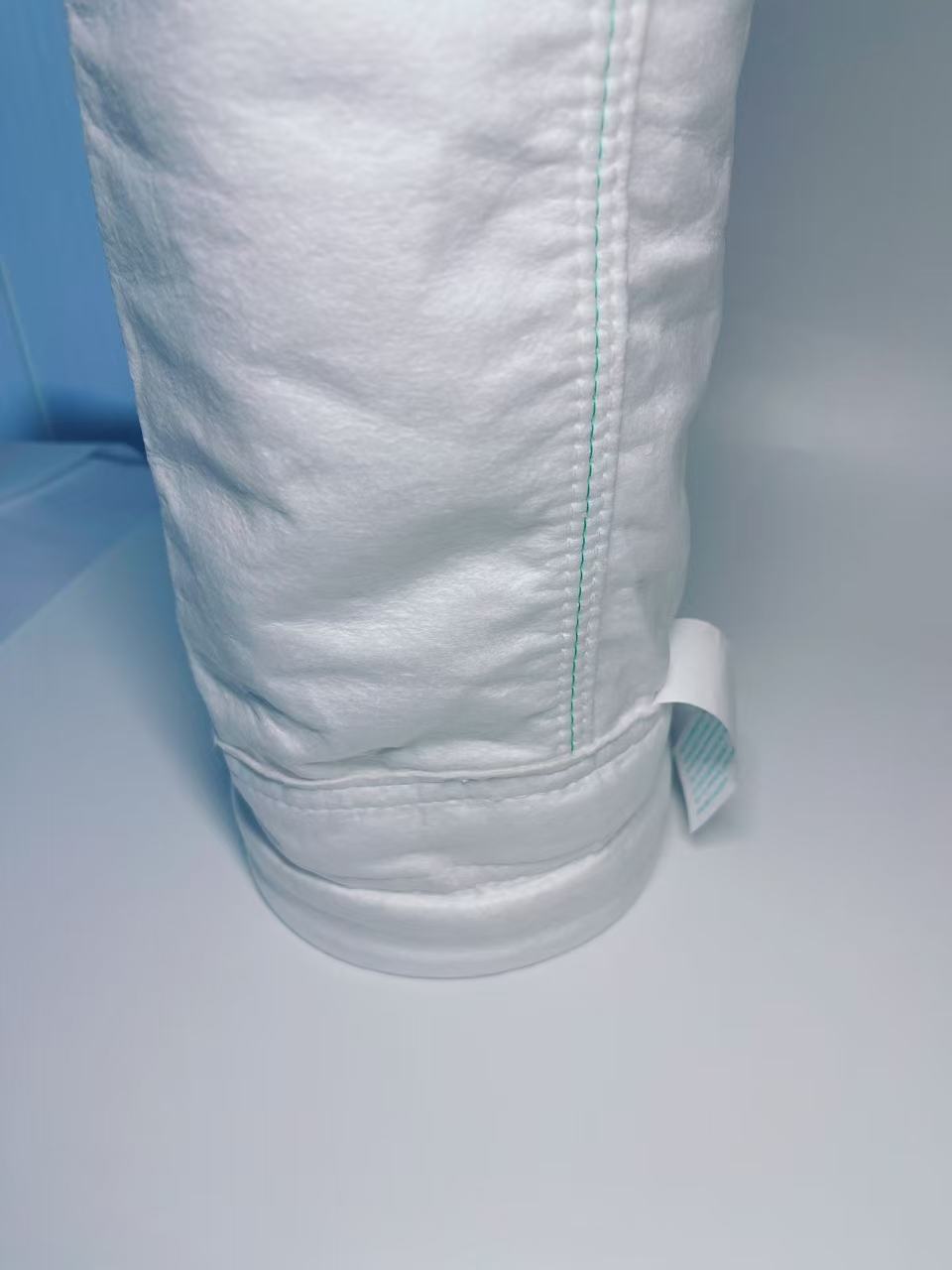
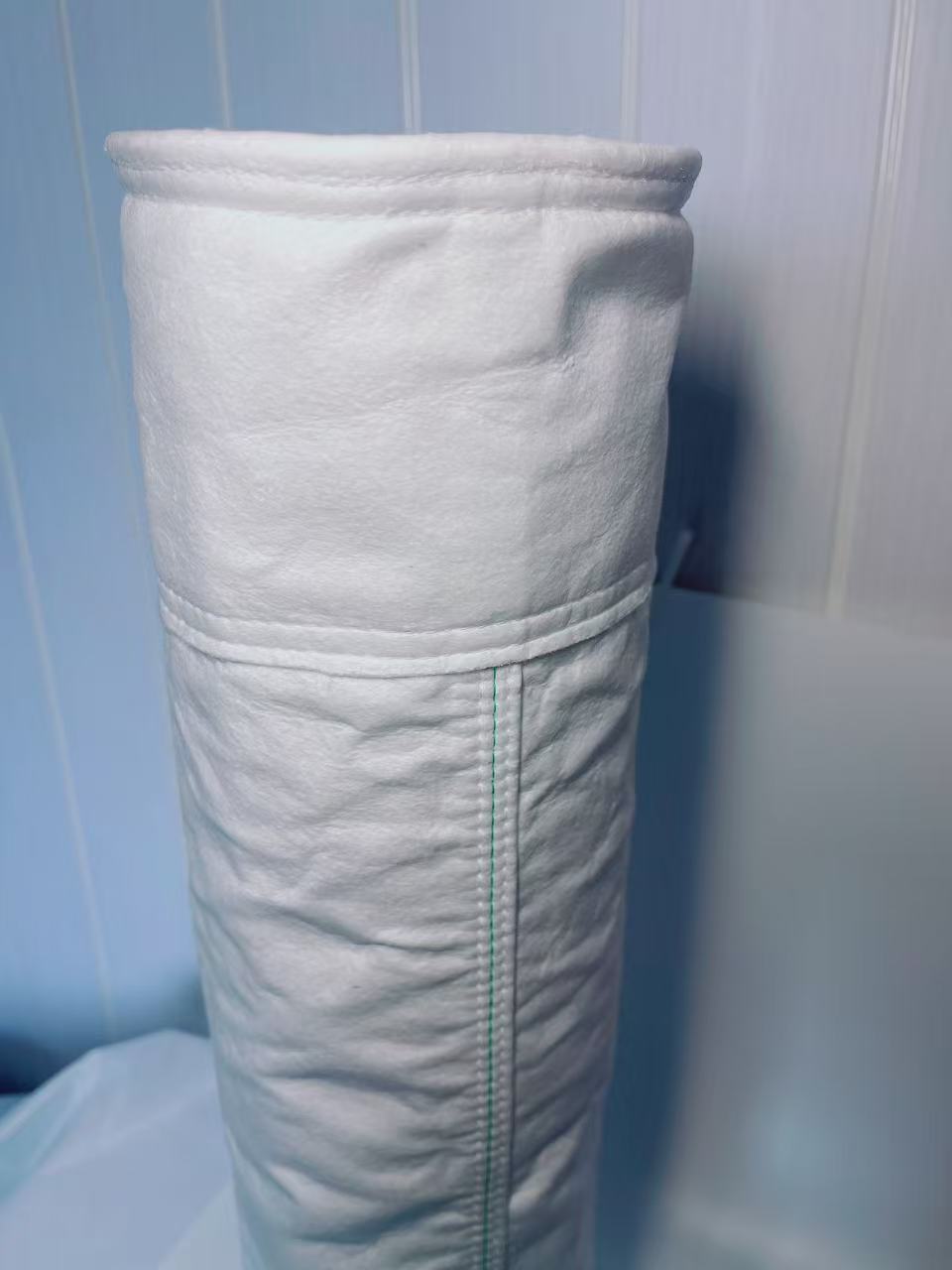
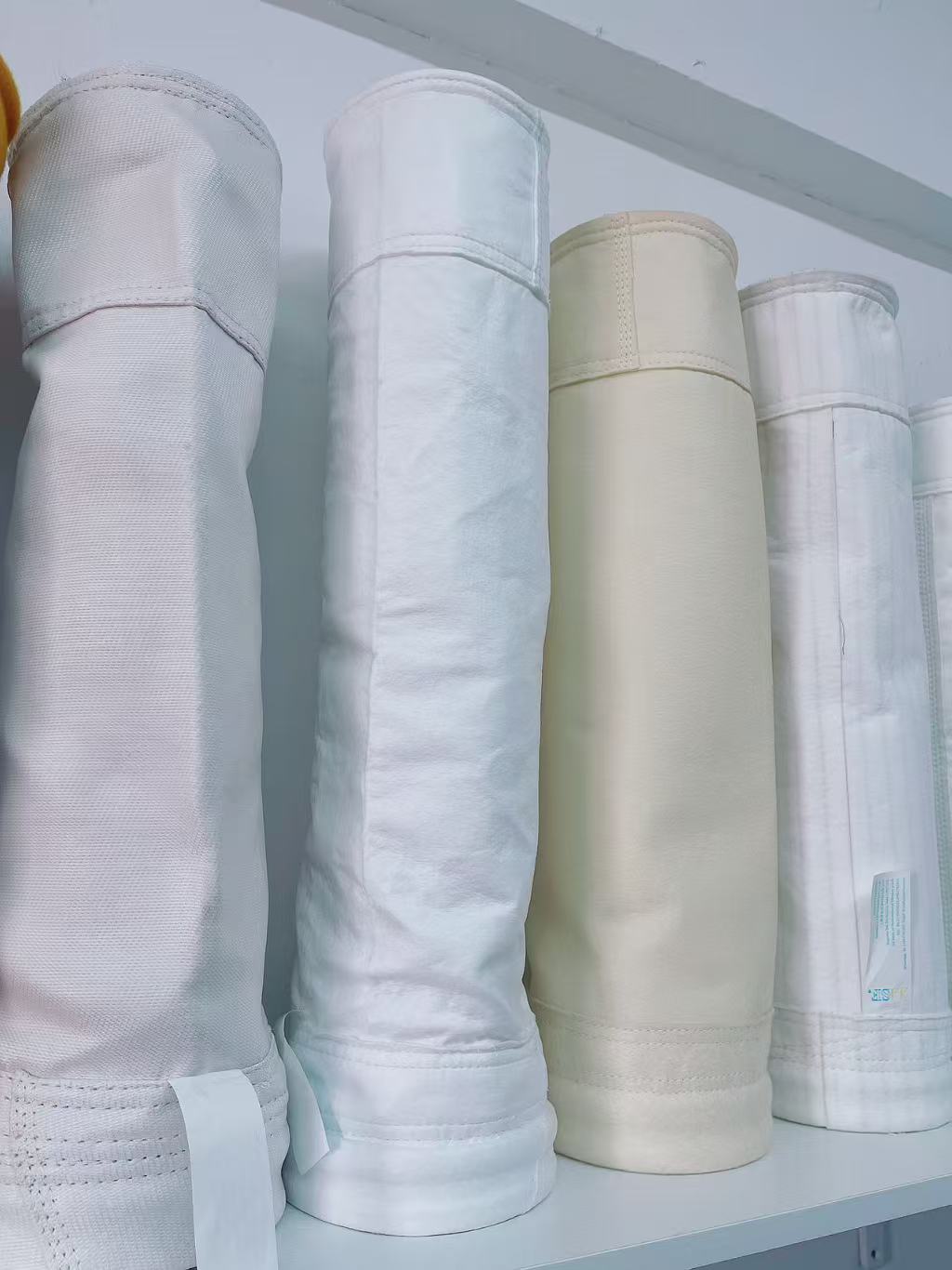
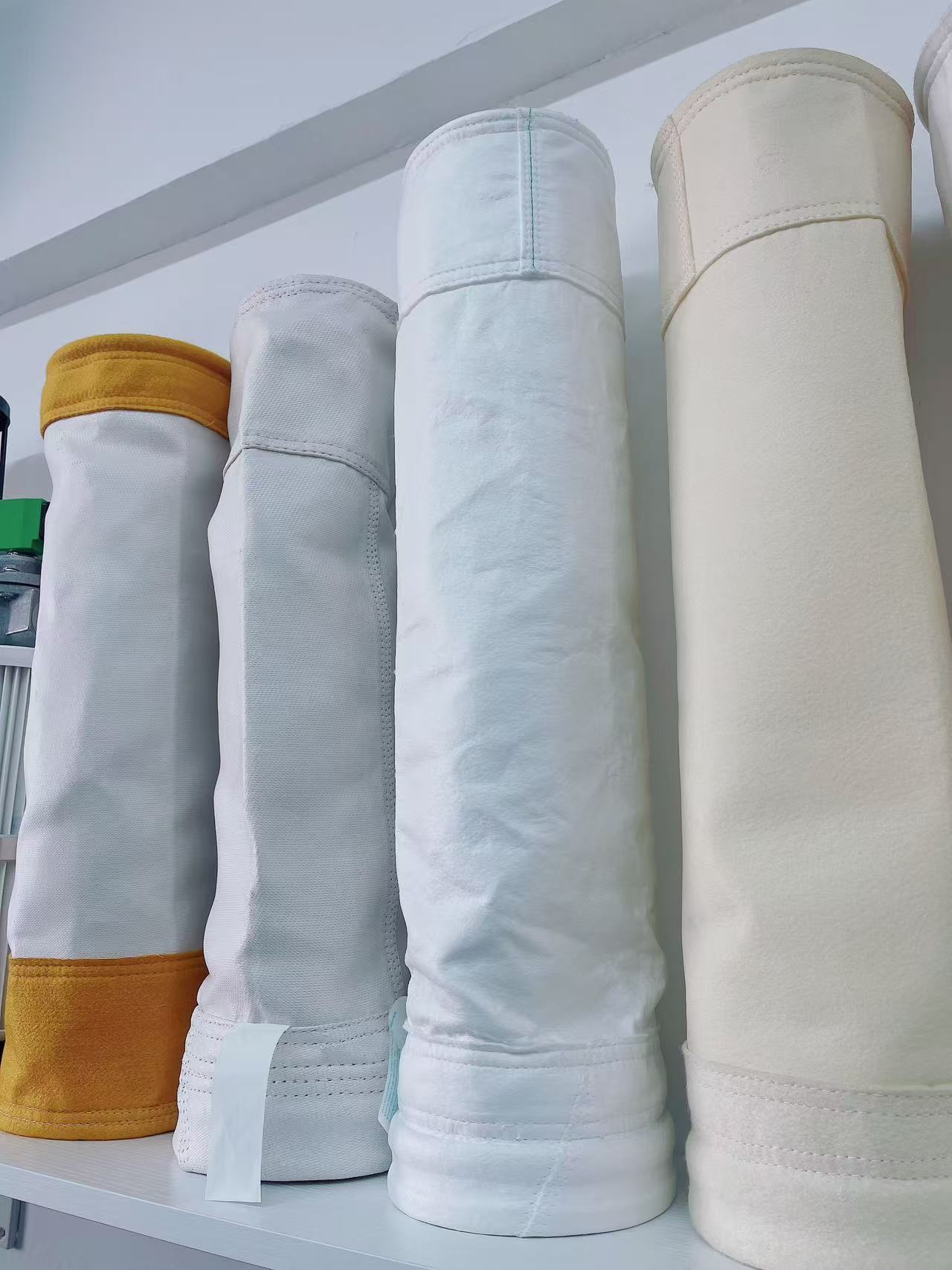
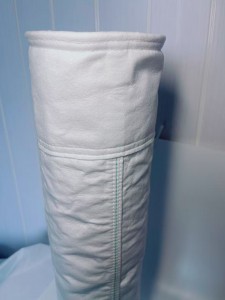
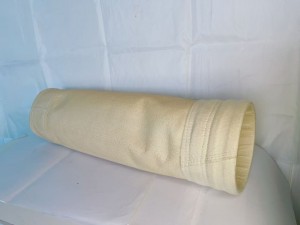
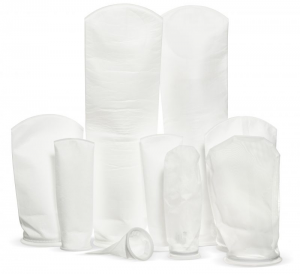
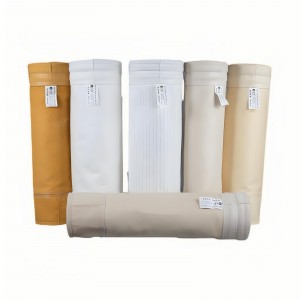
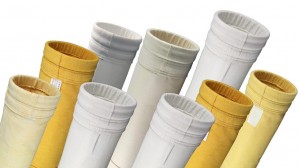
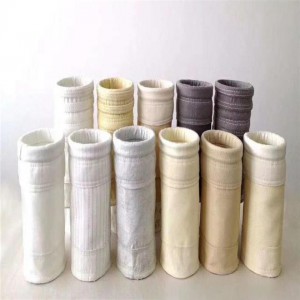
In the fields of industrial environmental protection dust removal and fluid filtration, working conditions featuring high temperature, strong acid and alkali, and high-humidity corrosion have always been major pain points for filter media. Conventional polyester, PPS and aramid filter bags are prone to aging, damage and filtration failure, resulting in excessive exhaust emissions, production line shutdowns and soaring operation and maintenance costs. Known as the “King of Plastics”, Polytetrafluoroethylene (PTFE) filter bags have become essential filtration products for harsh working conditions relying on excellent material stability. They are widely applied in flue gas dust removal, chemical water treatment and solid waste disposal, serving as the core filter material for current ultra-low emission renovation.
1. Material Principle: Why Is PTFE Suitable for Extreme Working Conditions?
PTFE filter bags are made of high-purity PTFE fibers, divided into three mainstream types: integral PTFE needle felt, substrate composite PTFE and ePTFE laminated filter bags. With extremely stable chemical bonds in the molecular structure, they have four inherent properties that perfectly solve the defects of traditional filter media.
First, outstanding universal temperature resistance. Virgin PTFE can stably withstand flue gas at 240℃-260℃ for a long time, with an instantaneous peak temperature resistance of 280℃. It will not shrink, harden or crack under temperature fluctuations caused by boiler startup and shutdown or kiln temperature rise; it also maintains stable performance at low temperatures, adapting to both high-temperature dust removal and low-temperature chemical fluid filtration scenarios.
Second, extreme chemical corrosion resistance. PTFE features complete chemical inertness, covering the full pH range of 0 to 14. It resists erosion by hydrochloric acid, sulfuric acid, caustic soda, fluorinated materials and organic solvents. For flue gas containing hydrogen chloride, sulfide and heavy metal vapor from waste incineration, acid-base chemical filtrate and corrosive dust from non-ferrous metal smelting, PTFE can operate stably for a long time to avoid filter bag perforation and fiber pulverization caused by corrosion.
Third, dust-repellent and easy ash cleaning. Boasting ultra-low surface energy, PTFE is naturally hydrophobic and oleophobic with near-zero water absorption. It will not harden and cake under high-humidity flue gas and oil-containing dust conditions. Dust only adheres to the filter bag surface instead of penetrating into fibers, and can be removed rapidly via pulse ash cleaning, reducing ash cleaning resistance by 30% and cutting fan energy consumption significantly.
Fourth, controllable filtration accuracy for ultra-low emission compliance. Especially for laminated PTFE filter bags adopting surface filtration principle, they can accurately intercept ultrafine particles as small as 0.3μm, easily keeping flue gas emission concentration below 5mg/Nm³. It meets national ultra-low emission standards for thermal power and hazardous waste industries, outperforming the deep filtration mode of ordinary filter media.
2. Five Core Application Scenarios Solving Industrial Pain Points
2.1 Municipal Domestic Waste and Hazardous Waste Incineration Industry
Incineration flue gas contains multiple hazards including high temperature, acid corrosion, dioxins and heavy metals, while ordinary filter bags will be scrapped due to corrosion within 3 to 6 months. PTFE filter bags can realize synchronous dust removal and trace harmful substance adsorption, with a service life of 6 to 10 years. They avoid production shutdowns caused by frequent filter bag replacement and act as the preferred filter material for environmental compliance renovation of hazardous waste disposal plants.
2.2 Thermal Power and Biomass Power Generation Industry
Flue gas after desulfurization and denitrification of coal-fired and biomass boilers has complex components and sulfur-nitrogen corrosive substances, which easily damage dust removal filter bags. PTFE filter bags resist erosion of acid-base flue gas with stable operating pressure difference, applicable to dust removal systems of million-kilowatt-level power units to ensure long-term qualified emissions of power plants.
2.3 Fine Chemical and Pharmaceutical Manufacturing Industry
It is mainly used for filtration of chemical acid-base mother liquor, purification of organic solvents and tail gas dust removal in pharmaceutical production. It will not precipitate harmful substances to pollute raw materials and resists swelling caused by organic solvents, balancing filtration purity and production safety for high-purity material production conditions.
2.4 Non-ferrous Metal and Smelting Industry
Smelting flue gas contains fluorine and chlorine corrosive particles with strong abrasiveness. Featuring dual advantages of wear and corrosion resistance, PTFE withstands scouring and abrasion of flue gas, recovers valuable metal dust, and realizes a balance between environmental emission reduction and material profit growth.
2.5 Industrial Water Treatment Industry
Applied to industrial wastewater pretreatment, precision filtration of acid-base wastewater and impurity removal of electroplating wastewater, PTFE liquid filter bags feature excellent impermeability and electroplating solution corrosion resistance, with high suspended solid interception accuracy. They can be cleaned and reused repeatedly to reduce consumable costs of water treatment systems.
3. Objective Advantages and Disadvantages Analysis
Advantages: Excellent temperature and corrosion resistance, hydrophobicity and moisture resistance, long service life, high emission compliance rate and low maintenance frequency. The only disadvantage lies in high initial procurement cost. However, considering long-term operation and maintenance cost, shutdown loss and environmental penalty cost within 3-5 years, its comprehensive cost performance is far higher than low-cost filter materials. Usage Precautions: Avoid long-term contact with molten alkali metals and high-temperature elemental fluorine; it is applicable to all other industrial working conditions.