Filter bag
-
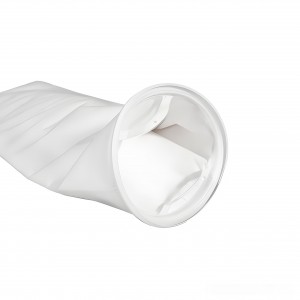
The wide application scenario of water filter bag: protect the water safety of various industries
With its excellent filtration performance, water filter bags have a wide range of applications in many fields, providing a strong guarantee for the water safety and production process in various industries.
In the field of drinking water treatment, water filtration bags are an important line of defense to ensure healthy drinking water for residents. When the water works purify the raw water, filter bags with different precision will be used to remove impurities such as sediment, algae, bacteria and some viruses in the water. After layers of filtration, the raw water meets the drinking water sanitation standards stipulated by the state before it is transported to thousands of households. For example, in some areas where the water source is polluted, by installing high-precision water filter bag equipment, harmful pollutants can be effectively removed from the water, so that residents can drink soothing water.
In industrial production, water filter bags play an irreplaceable role. In the electronics industry, the production process has very high requirements for water quality, and even extremely small impurities can affect the quality of electronic products. The water filter bag can accurately filter out the particles and microorganisms in the water, providing ultra-pure water for chip manufacturing, circuit board cleaning and other processes to ensure the stable performance of electronic products. In the chemical industry, a variety of chemical reactions require pure water as a raw material or reaction medium. The water filter bag can remove impurities and harmful ions in the water, prevent these substances from interfering with the chemical reaction, and ensure the quality of chemical products and the smooth progress of the production process.
In the field of environmental protection, water filter bags perform well in sewage treatment and rainwater collection and utilization. Sewage treatment plants use filter bags to pretreat sewage, remove large particles of impurities, and reduce the burden of subsequent treatment process. In the rainwater collection system, the filter bag can filter out the impurities such as leaves and dust in the rainwater, so that the collected rainwater can be used for non-drinking purposes such as irrigation and car washing, and realize the effective use of water resources.
In addition, in aquaculture, landscape fountains and other fields, water filtration bags also play an important role in maintaining the cleanliness and ecological balance of water bodies. It can be said that the application scenarios of water filter bags are extremely wide, and it is like a silent guardian to protect the quality of water in various industries. -
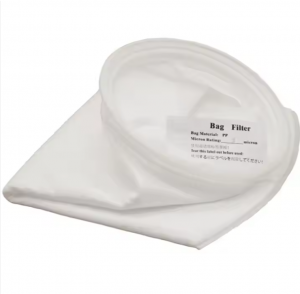
The working principle of water filter bag: the core mystery of efficient purification
In today’s era of pursuit of high-quality water resources, water filter bags, as a key filtration equipment, play a vital role. So, how is the water filter bag to achieve efficient filtration, so that the water quality is purified? There are many subtleties in how it works.
The water filter bag mainly removes impurities in the water by means of physical interception. It is usually made of a filter cloth of a specific material, which has different pore size specifications, from the micron level to the finer level. When the water containing impurities passes through the filter bag, particles, suspended solids, colloids and other impurities larger than the filter cloth aperture will be blocked by the filter cloth and cannot pass through, thus being trapped in the filter bag.
For example, in the treatment of industrial wastewater, the wastewater may contain a large number of metal particles, sediment, and suspended substances formed by various chemical substances. The water filter bag can accurately intercept these impurities, so that the filtered water meets the discharge standard or can be further treated and reused. In the swimming pool water treatment, the filter bag can effectively remove impurities such as hair, dander and dust brought by the human body, ensure that the pool water is clear and clean, and provide people with a safe and comfortable swimming environment.
In addition, the filtration effect of the water filter bag is also related to its structural design. Some filter bags adopt multi-layer structure, and the filter cloth aperture of different layers becomes smaller gradually, forming a gradient filtration mode. In this way, the water flow through the multi-layer filter cloth process, impurities will be gradually intercepted, greatly improving the accuracy and efficiency of filtration. Moreover, the material selection of the filter bag is also extremely critical, high-quality filter cloth material not only has good filtration performance, but also needs to have a certain strength and corrosion resistance to ensure stable operation in different water quality and working environment.
It is based on these physical interception, structural design and material characteristics and other factors, water filter bags can efficiently achieve water purification, becoming an indispensable water treatment equipment in many fields.
-
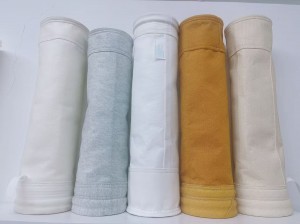
Structural Classification and Filtration Modes of Dust Removal Filter Bags
The structural design of dust removal filter bags directly impacts their filtration efficiency and applicability. Based on cross-sectional shape, they can be categorized as:- Round filter bags: The most common type, cylindrical in shape, specified by diameter × length (D×L). Their simple structure ensures uniform airflow distribution, suitable for most standard dust collectors.
- Flat filter bags: Including rectangular and trapezoidal shapes, specified by perimeter × length (P×L). Flat bags maximize filtration area in limited spaces, improving efficiency in compact dust removal systems.
- Special-shaped filter bags: Unconventional forms like star or polygonal shapes, designed for unique operational needs, with specifications based on specific structural parameters.
In terms of filtration modes, filter bags can be internally filtered or externally filtered:- Internally filtered bags: Dusty gas enters from the inside, and dust is trapped on the inner surface. This design facilitates cleaning but requires regular maintenance to prevent internal dust accumulation.
- Externally filtered bags: Dusty gas enters from the outside, with dust adhering to the outer surface. Often paired with pulse-jet cleaning systems, external filtration offers more thorough dust removal, ideal for high-concentration dust environments.
Moreover, material and structural design must work in tandem. For instance, needle-punched felt or flocked filter fabrics, with their dense pore structures, can initiate sieving early in the filtration process without relying solely on dust layer formation. This design enhances efficiency, particularly for capturing fine, dry, non-fibrous dust.Each structural type and filtration mode has its advantages and limitations. Selection should consider factors such as dust characteristics, equipment space, and cleaning methods to ensure the efficient and stable operation of dust removal systems. -
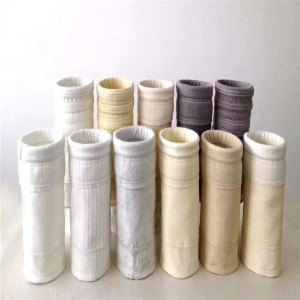
Classification and Innovative Application Trends of Dust Filter Bags
Dust filter bags can be classified in various ways, with different types differing in structure and function to adapt to complex industrial demands.In terms of shape, filter bags are mainly divided into three categories: circular, flat, and irregular. Circular filter bags have a simple structure and wide application, specified by diameter × length. Flat filter bags (e.g., rectangular, trapezoidal) maximize filtration area within limited space, enhancing dust removal efficiency. Irregular filter bags are custom-designed to meet specialized requirements.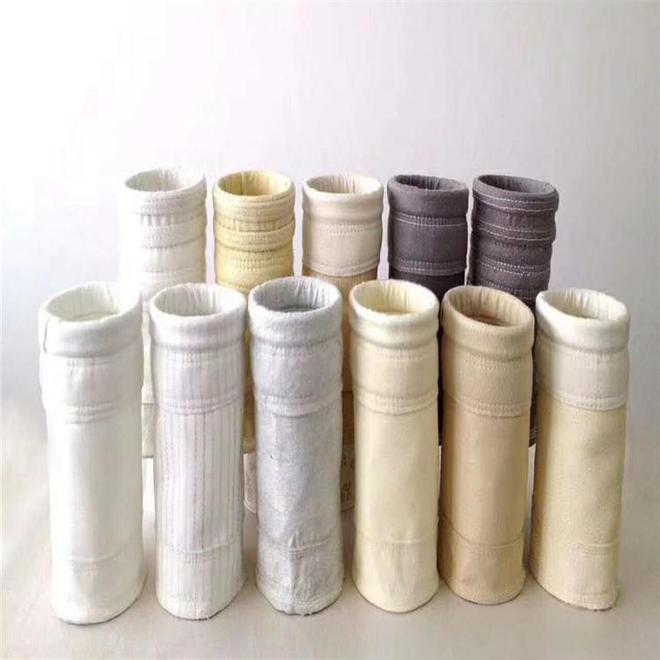 By filtration method, filter bags can be categorized into internal and external filtration types. In internal filtration, dusty gas is filtered from the inside, with dust adhering to the inner surface of the bag, suitable for low-viscosity dust. In external filtration, gas is filtered from the outside, with dust accumulating on the outer surface, facilitating ash cleaning and commonly used in high-concentration dust environments.With technological advancements, innovative applications of filter bags continue to emerge. For example, membrane-coated filter bags enhance the capture of fine particles by combining a PTFE microporous membrane with a base material while maintaining good permeability, becoming a new choice for high-efficiency dust removal. Additionally, “three-proof” (waterproof, oil-proof, anti-static) filter bags perform exceptionally in handling oily, humid, or flammable dust, widely used in steel, power, and other industries.In the future, dust filter bags will evolve toward higher efficiency, longer lifespan, and 智能化 (intelligentization). Through material innovation and structural optimization, they will continue to drive the green transformation of industrial sectors.
 -
Material Selection and Industrial Applications of Dust Filter Bags
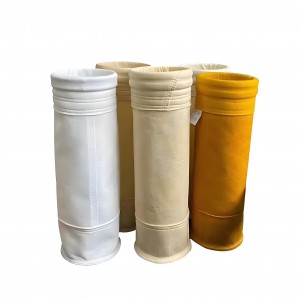
The performance of dust filter bags is closely related to their materials. Different materials exhibit significant differences in temperature resistance, corrosion resistance, and filtration efficiency, requiring careful selection based on specific working conditions.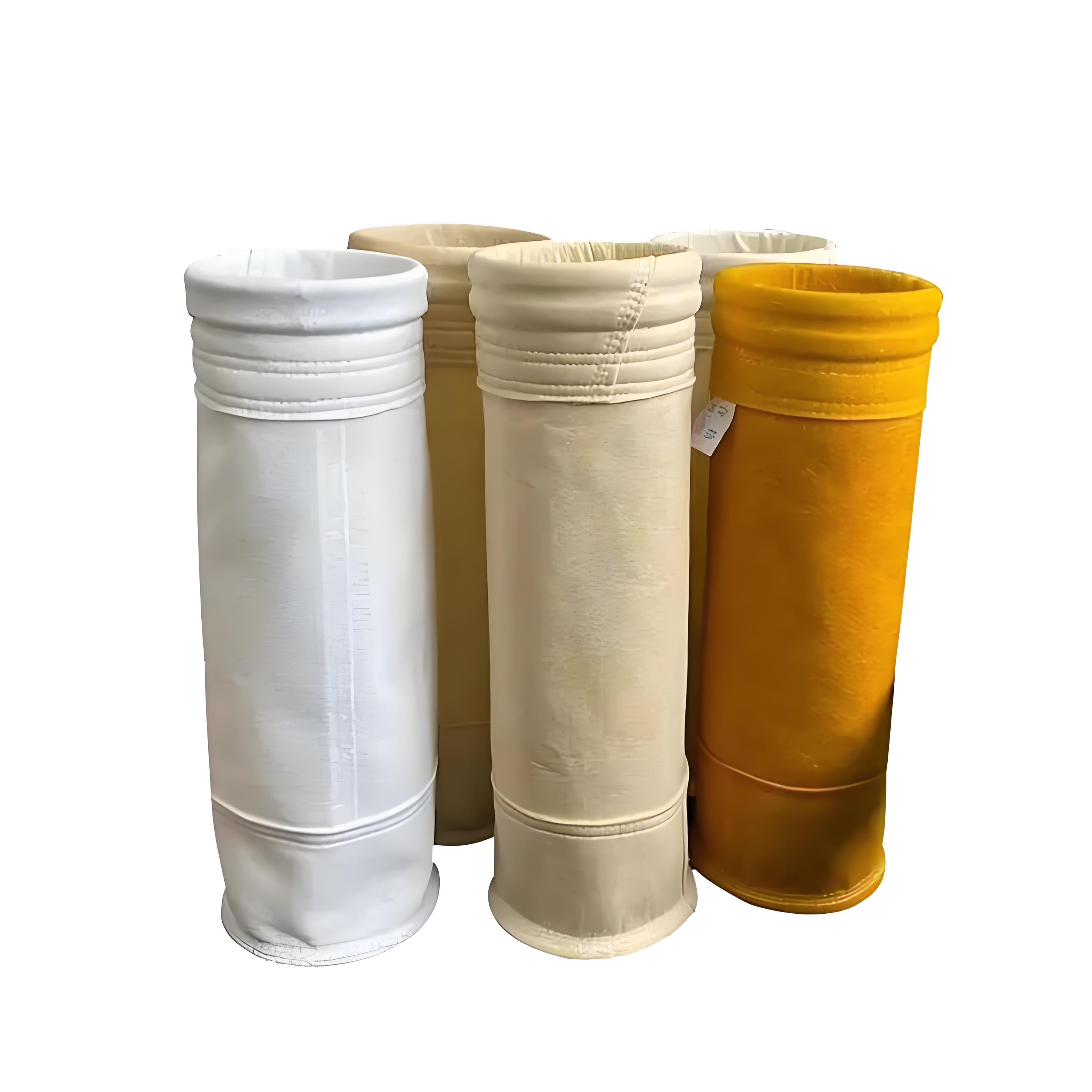 Polyester fiber filter bags are among the most widely used materials. They offer excellent acid and alkali resistance and wear resistance, making them suitable for normal-temperature dust removal in industries such as cement, ceramics, and chemicals. Post-treatment processes (e.g., oil and water repellency, anti-static treatment) can further expand their application range.For high-temperature environments, glass fiber filter bags excel. They can withstand temperatures up to 260°C and exhibit outstanding alkali resistance, commonly used in fields like carbon black production and ore smelting. However, glass fiber bags have poor flexibility and require care to avoid damage from frequent folding.In complex chemical environments, PPS (polyphenylene sulfide) filter bags are ideal. They operate stably at 190°C and tolerate sulfur oxides and wet flue gas, making them particularly suitable for power plant boilers and waste incineration. Additionally, P84 filter bags stand out in industries like chemicals and cement due to their high-temperature resistance (below 260°C) and chemical corrosion resistance.Fumei Si filter bags integrate multiple advantages, including high-temperature resistance (80–230°C), acid and alkali resistance, wear resistance, folding resistance, and easy ash cleaning. They are capable of capturing high-concentration dust and are widely applied in metallurgy, building materials, and other sectors.Through targeted design, different materials of filter bags can meet the diverse needs of various industries, not only improving dust removal efficiency but also extending equipment lifespan and providing strong support for environmental upgrades in industrial production.
 -
Core Filtration Mechanisms of Dust Filter Bags
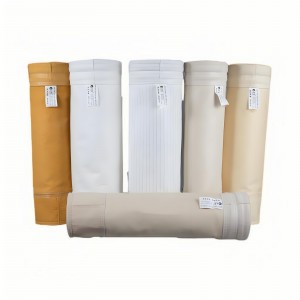
As the core component of bag dust collectors, the efficiency of dust filter bags relies on the synergistic effect of multiple filtration mechanisms. When dusty gas passes through the filter material, dust particles are captured through the following processes: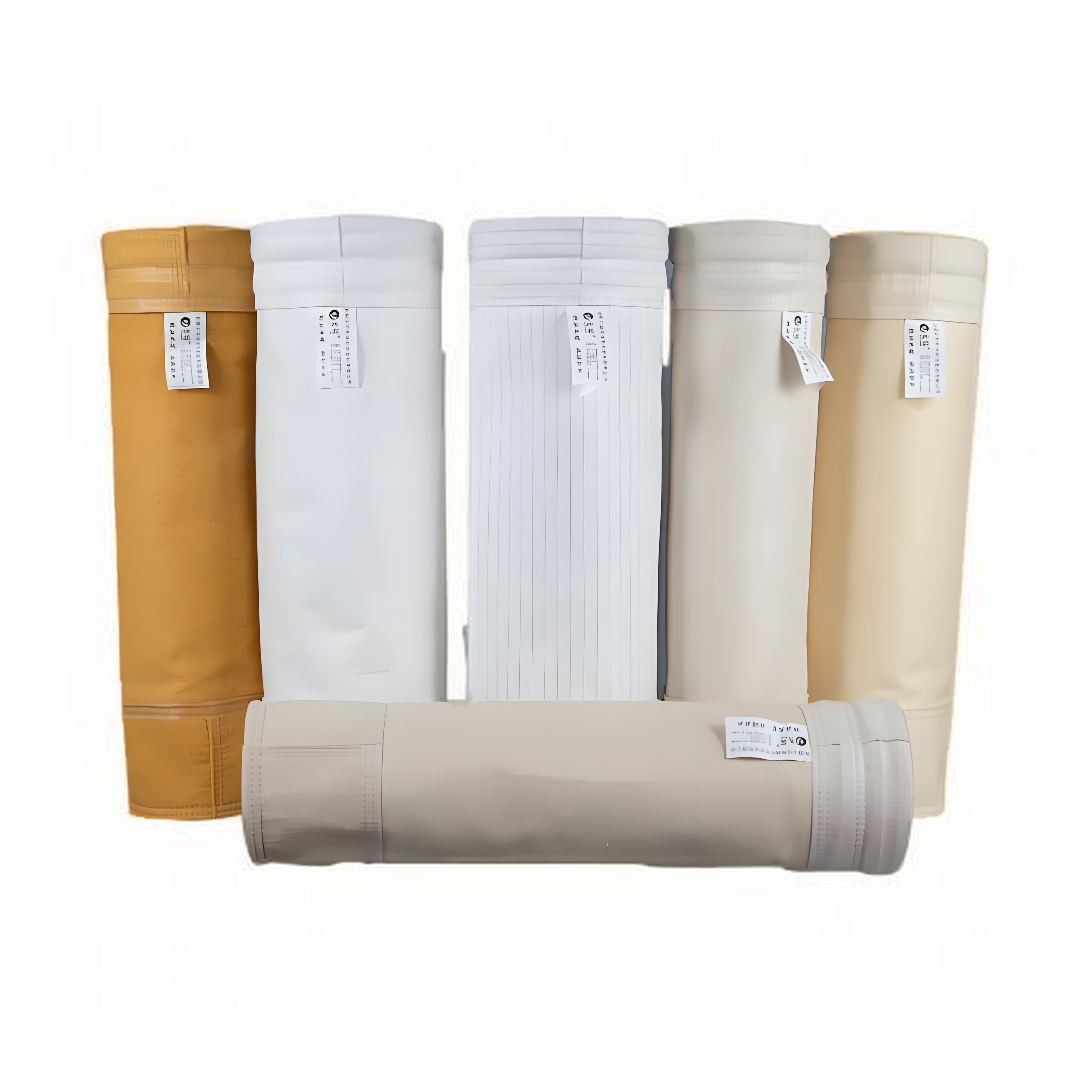 First is the sieving effect. When the diameter of dust particles exceeds the pores between filter material fibers or the gaps in the dust layer, the particles are directly intercepted on the surface of the filter bag. New filter bags have larger fiber gaps, resulting in insignificant sieving effects initially. However, as the dust layer gradually forms, this effect becomes increasingly prominent, evolving into one of the primary filtration mechanisms.Next is the inertial impaction effect. For dust particles larger than 1 micron in diameter, high-speed airflow causes them to deviate from the streamline due to inertia, directly colliding with the filter bag fibers and being trapped. This effect is more pronounced at higher gas velocities, but excessive velocity may damage the filter bag and reduce dust removal efficiency.The diffusion effect primarily targets tiny dust particles (smaller than 0.2 microns). These particles undergo Brownian motion due to collisions with gas molecules, increasing their chance of contacting fibers and being adsorbed. Unlike inertial impaction, the diffusion effect is more significant at lower gas velocities, and finer fibers enhance the trapping efficiency.Additionally, gravitational sedimentation and electrostatic effects play auxiliary roles. Large, high-density dust particles settle naturally under gravity. When dust and filter bag materials carry opposite charges, the adsorption force increases, improving dust removal efficiency but potentially complicating ash cleaning. Conversely, identical charges reduce adsorption but facilitate dust detachment.The combined action of these mechanisms enables dust filter bags to efficiently purify air, meeting the environmental protection requirements of various industrial scenarios. Optimizing the material, structure, and gas velocity of filter bags can further enhance their performance, achieving more stable dust removal results.
 -
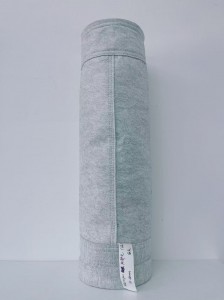
The application fields of polyester filter bags
The application fields of polyester filter bags are as follows:
-
Heavy Industries
- Widely used in steel, power generation, cement, chemical, and smelting industries for dust removal in their production processes.
- Suitable for capturing and filtering particulate matter generated in high-temperature and high-pressure industrial environments.
-
Environmental Protection Equipment
- Integral components of bag dust collectors, which are critical for treating industrial flue gases and ensuring compliance with environmental regulations.
- Effective in removing pollutants from exhaust streams in factories and manufacturing plants.
-
Petroleum and Mining
- Used in oil refining processes and mining operations to filter out impurities, ensuring product quality and reducing environmental impact.
-
Waste Incineration
- Applied in waste-to-energy facilities to filter emissions and control harmful particulate matter during incineration.
-
Pharmaceutical and Food Processing
- Utilized in these industries for precise filtration of powders, granules, or liquids, maintaining hygiene and product purity.
-
General Filtration Needs
- Found in various other sectors requiring air or liquid filtration, such as woodworking, textiles, and mechanical manufacturing, where dust or debris must be efficiently captured.
In summary, polyester filter bags are versatile and widely adopted across industries due to their durability, filtration efficiency, and adaptability to diverse operational conditions. -
-
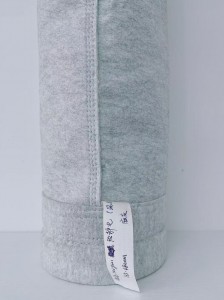
Polyester Filter Bags
Based on the provided search resources, here is a comprehensive summary of polyester filter bags:1. Materials and Characteristics
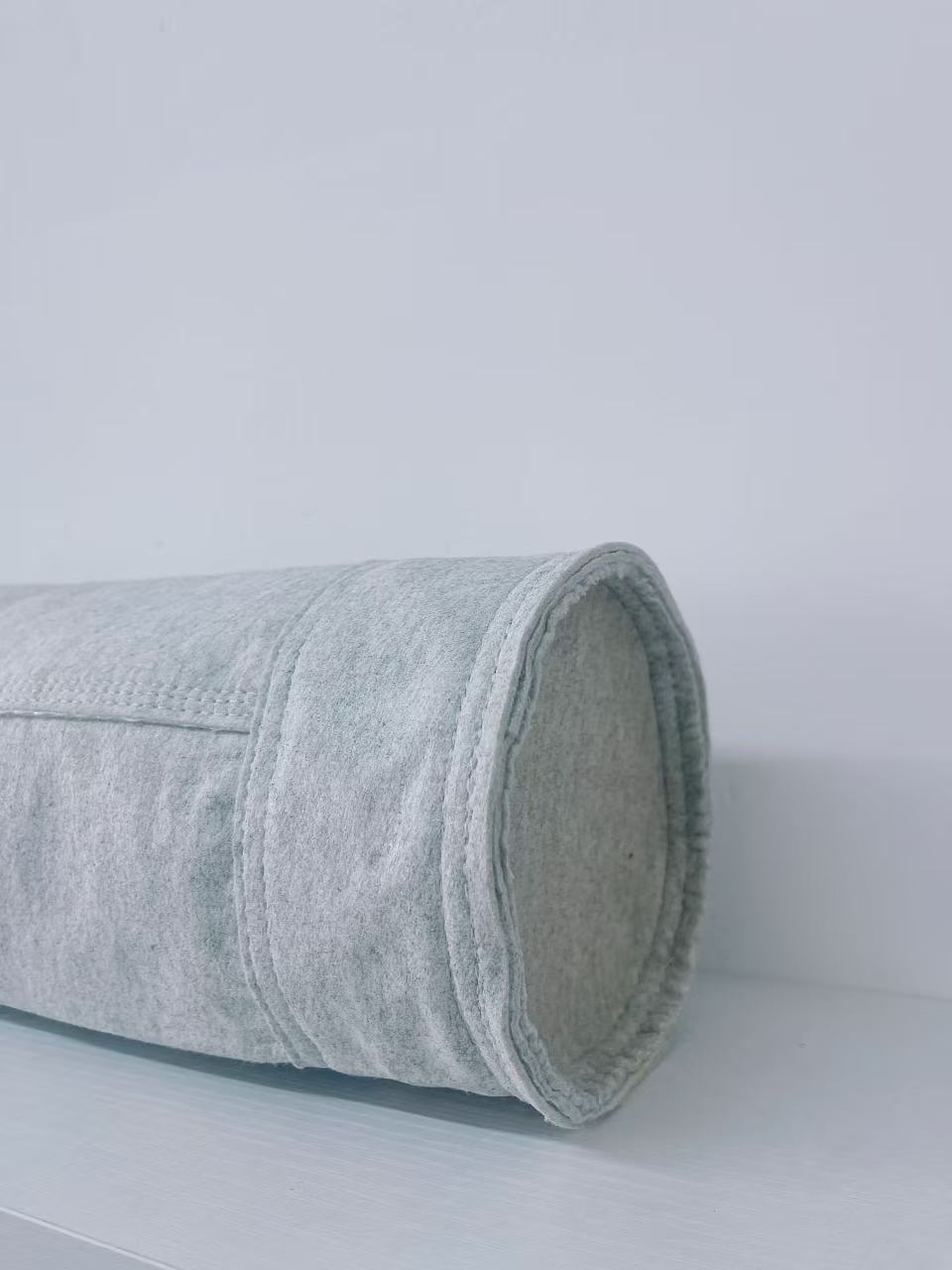
- Materials: Polyester filter bags are primarily made from polyester staple fibers or filaments, processed through needle-punching, weaving, or other techniques. Some products undergo post-treatment such as heat setting, singeing, calendering, PTFE impregnation, or water/oil repellent finishes to enhance performance.
- Key Features:
- Excellent Filtration: High porosity and 透气性 ensure efficient dust collection (e.g., 208 polyester flannel bags achieve a dust removal rate of 99.99%).
- Durability: High abrasion resistance and long service life; smooth surfaces facilitate easy ash cleaning, reducing dust adhesion and operational resistance.
- Temperature Resistance: Continuous operating temperature typically ranges from 80°C to 130°C (depending on the product model), with a short-term peak temperature of up to 150°C.
- Chemical Tolerance: Moderate resistance to acids and alkalis, suitable for various industrial environments.
2. Classification and Types
- By Raw Material:
- Polyester Staple Fiber Filter Bags: Good breathability, suitable for general dust removal.
- Polyester Filament Filter Bags: Higher strength and longer lifespan.
- By Weaving Method:
- Woven Filter Bags: Tightly structured, suitable for high-temperature and high-pressure environments (e.g., 208 polyester woven filter bags).
- Needle-Punched Felt Filter Bags: High porosity and superior filtration efficiency, making them the mainstream choice.
- By Function:
- Anti-Static Filter Bags: Incorporate anti-static fibers to prevent electrostatic accumulation, ideal for explosive dust environments.
- Water and Oil Repellent Filter Bags: Surface-treated to resist water and oil penetration, suitable for wet or oily dust.
- Membrane Filter Bags: Combined with microporous membranes to enhance capture of fine particles.
3. Technical Parameters (Typical Product Example)
- Fiber Composition: Polyester staple fiber
- Base Cloth Composition: Polyester filament
- Grammage: 500g/m²
- Thickness: 1.70mm
- Tensile Strength: Warp ≥1200N/5cm, Weft ≥1500N/5cm
- Air Permeability: 14 m³/㎡·min
- Continuous Operating Temperature: 130°C (some products specify 80°C; confirm with specific specifications)
- Short-Term Peak Temperature: 150°C
4. Application Fields
Polyester filter bags are widely used in:- Heavy Industries: Dust removal systems in steel, power, cement, chemical, and smelting industries.
- Environmental Equipment: Bag dust collectors for treating industrial dusty gases.
- Other Fields: Petroleum, mining, waste incineration, pharmaceuticals, food processing, and other scenarios requiring filtration.
5. Usage Precautions
- Installation and Maintenance:
- Ensure smooth water distribution systems and uniform filter media 铺装.
- Avoid overly loose or tight filter bags to prevent dust accumulation or damage.
- Regularly inspect filter bags for wear and replace damaged ones promptly.
- Temperature Control:
- Avoid prolonged operation above the rated temperature; short-term peaks should not exceed 150°C.
- In high-temperature and high-humidity environments, use water/oil repellent or membrane filter bags to prevent condensation and clogging.
- Airflow Adjustment:
- Ensure uniform air intake to avoid localized impact damage to filter bags.
- For high-flow conditions, equip automatic flow control systems to stabilize gas volume.
6. Conclusion
Polyester filter bags are a mainstream choice in industrial dust removal and filtration due to their excellent filtration efficiency, durability, and adaptability. Selection should consider specific working conditions (e.g., temperature, dust properties, humidity), and proper installation and maintenance are crucial to ensure efficient operation and extend service life. -
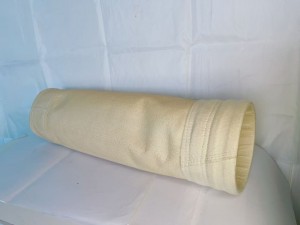
PPS/PTFE650 filter bag
The PPS/PTFE650 filter bag features the following specifications:
- Material: Fiber composed of PPS+PTFE, scrim (base fabric) made of PTFE.
- Physical Properties:
- Weight: 650 g/㎡ (compliant with ISO 9073-1).
- Thickness: 1.6 mm.
- Air Permeability: 150–250 l/㎡·s@200Pa (per ISO 9237).
- Mechanical Performance:
- Tensile Strength (ISO 9073-3, sample size 200/50mm): Warp ≥1100N, Weft ≥900N.
- Tensile Elongation (ISO 9073-3): Warp <35%, Weft <45%.
- Thermal Properties:Surface Treatment: Includes singe, calendering, heat setting, and PTFE dipping processes.
- Working Temperature: Continuous use at 190℃, instant tolerance at 220℃.
- Heat Shrinkage: 3% at 220℃.
-
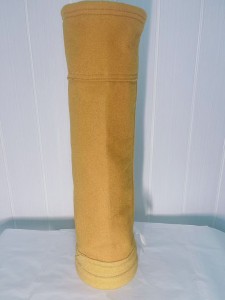
FILTER BAG:POLYAMIDE (PI) NEEDLEFELT
we have polyester and high temperature resistance filter sleeve/filter bagsneedle felt, punch felt, singe, calendaring, heat settingTypes:Anti-static, water&oilresistance, PTFE membrance
Item Standard Metric Value Imperial Value Area Weight EN12127 550±25g/m² 16.3±0.75oz/yd² Thickness EN ISO 9073/2 2.0±0.2mm 0.079±0.007in Composition — Fiber: Polyamide (PI)
Scrim: PTFE— Finish — Heat-set, Calender, Surface Treatment with PTFE Bath — Property Index Standard Longitudinal Cross Tensile Strength (5×20cm) GB/T 3923.1-2013 ≥900N ≥1200N Elongation GB/T 3923.1-2013 ≤35% ≤50% Thermal Stability (Shrinkage at 260℃ 24h) GB/T 6719-2009 ≤1.5% ≤1% Air Permeability (at 200Pa) GB/T 5453 100-180 l/dm²·min — Fiber Properties and Operating Temperature
- Fiber Properties: Polyamide (PI)/PTFE
- Operating Temperature (Dry):
- Continuous: 260℃ Max (500℉ Max)
- Peaks: 280℃ Max (536℉ Max)
Remarks
- All data are expressed as typical values. This technical data is subject to change.
-
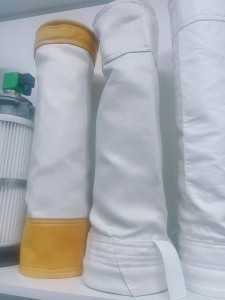
FILTER CLOTH :WOVEN-FIBER GLASS w PTFE Membrane
we have polyester and high temperature resistance filter sleeve/filter bagsneedle felt, punch felt, singe, calendaring, heat settingTypes:Anti-static, water&oilresistance, PTFE membrance
item Standard Parameter value AREA WEIGHT(面积重量) EN12127 750±22.5g/m²(19.08±0.65oz/yd²) THICKNESS(厚度) EN ISO 9073/2 0.7-1.1mm(0.027–0.043in) WEAVE(编织方式) — DOUBLE TWILL(双斜纹) FINISH(后整理) — PTFE MEMBRANE(覆 PTFE 膜) TENSILE STRENGTH(拉伸强度,5×20cm) GB/T 3923.1-2013 ≥3400N(另有≥2400N 未明确标准) ELONGATION(伸长率) GB/T 3923.1-2013 ≤8% THERMAL STABILITY(热稳定性,260℃ 2h 收缩率) GB/T 6719-2009 ≤1.5%(另有≤1% 未明确标准) AIR PERMEABILITY(透气率,200Pa) GB/T 5453 12-54 l/dm²min OPERATING TEMPERATURE(工作温度,干燥) — CONTINUOUS(连续):260℃Max(500℉Max)
PEAKS(峰值):280℃Max(536℉Max)Please contact us if necessary
-
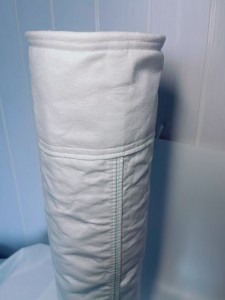
Environmental defender:PTFE filter bag
Details about PTFE filter bag finishing:
First, material characteristics
High temperature resistance: continuous operation at 240 ° C, instant resistance to 260 ° C high temperature.
Corrosion resistance: Almost all acid and alkali resistance, organic solvents and chemical corrosion, chemical stability is very high.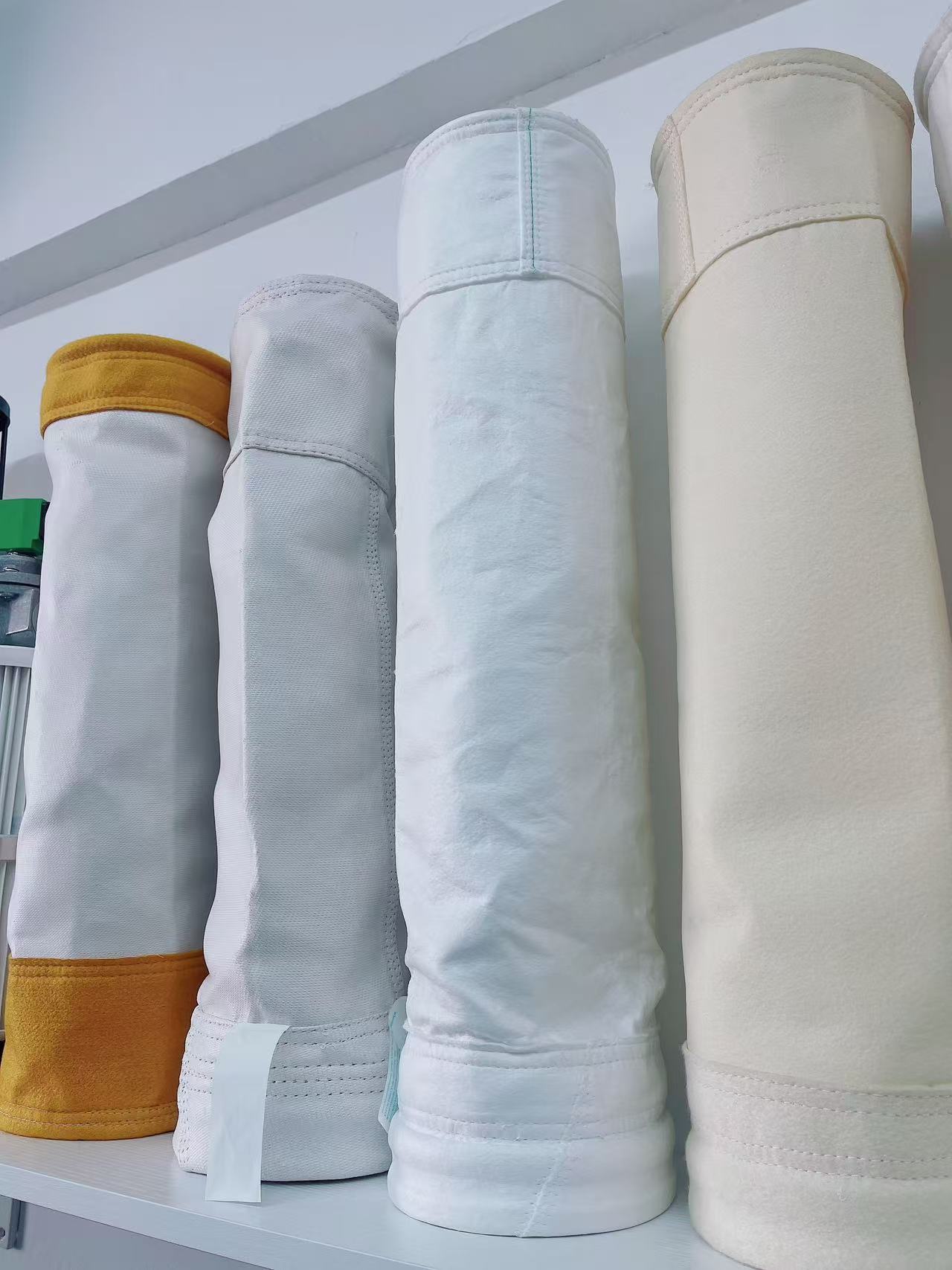
Low friction coefficient: smooth surface, good self-moistening, not easy to adhere to impurities, easy to clean.
Other characteristics: UV resistance, no moisture absorption, but the wear resistance is general, the filter bag frame requires high finish.
2. Technical parameters (Take mainstream products as an example)
Fiber/substrate: 100% PTFE
Square gram weight: 750g/m²
Thickness: 1.1mm
Air permeability: 90-100L/㎡·min
Fracture strength: longitudinal and transverse ≥450N/5cm
Thermal shrinkage rate: 3% shrinkage at 260℃ for 90 minutes
Continuous operating temperature: 240℃, instant temperature 260℃
3. Application fields
Industrial flue gas treatment: coal-fired boilers, waste incineration, carbon black production, titanium dioxide production, etc.
Chemical industry: Filter acids, alkalis, solvents and corrosive chemicals.
Pharmaceutical and Food: Purification of pharmaceuticals, clarification of beverages/dairy products, solid-liquid separation in food processing.
Environmental protection: sewage treatment, waste gas treatment, air purification.
Electronics industry: high purity gas/liquid filtration, clean room air purification.
Other: petrochemical, paint, ink, resin production, etc.
4. Analysis of advantages and disadvantages
Advantages:
Chemical stability and high temperature resistance in extreme environments.
High filtration accuracy (up to 0.1-100 microns), high efficiency.
Long service life, relatively low maintenance costs.
Cons:
The cost is high and the initial investment is large.
Poor wear resistance, pay attention to the filter bag frame finish.
Five, use and installation precautions
Before installation:
Check whether the filter bag is damaged and clean the surface of dust and impurities.
Make sure the filter bag fits the frame tightly to avoid leaks.
In use:
Control the temperature below 260 ° C to avoid high temperature deformation.
Prevent the impact of high-speed air flow, reduce the vibration damage of filter bag.
When dealing with low temperature and high humidity gas, anti-condensation measures (such as heating and dehumidifying) are required.
Maintenance:
Check the wear of the filter bag regularly and replace it in time.
Use an electric vacuum cleaner and avoid washing.
Keep dry and ventilated when storing away from direct sunlight.