Dust Filter bag
-

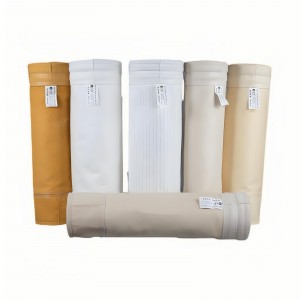
Polyester Dust Filter Bag: The “Basic Backbone” of Industrial Dust Removal
In the field of industrial dust removal, polyester dust filter bags are widely used basic products. Thanks to numerous practical features, they become the first choice for many conventional working conditions.1. Material Properties and Advantages
Polyester, scientifically known as polyester fiber, boasts good chemical stability. It has a relatively moderate temperature resistance, with a normal continuous service temperature around 130°C, and can momentarily withstand 150°C. This makes it suitable for conventional temperature environments in most industrial productions, such as dust control in general building materials and mechanical processing industries.Its wear resistance is outstanding. In working conditions where dust frequently scours and filter bags continuously rub against cages, it guarantees a service life. Moreover, polyester fiber has decent chemical corrosion resistance, tolerating common weak acid – base gases (like acidic and alkaline pollutants in ordinary industrial waste gas) to a certain extent, and is not prone to rapid damage due to chemical erosion.2. Filtration and Dust – Cleaning Performance
The fiber structure of polyester dust filter bags is reasonable, with evenly distributed pores, enabling efficient dust interception. For fine dust particles, it can achieve good collection through a combination of surface filtration and deep – layer filtration, ensuring exhaust gas meets standards.During dust cleaning, whether it is mechanical vibration dust cleaning, pulse jet dust cleaning, or reverse air dust cleaning, the polyester material shows good adaptability. It has excellent elastic recovery ability; after dust cleaning, the filter bag can quickly return to its initial filtration state, maintaining stable filtration resistance and ensuring the long – term efficient operation of the dust removal system.3. Applicable Scenarios and Cases
It is widely used in raw material crushing and conveying links in cement plants, steel mills, as well as dust collection in furniture factories, grain processing plants, etc. Take a cement plant as an example. By using polyester filter bags in the raw material mill system, it effectively collects raw material powder, the system operates stably, and the service life of the filter bags reaches 1 – 2 years. This ensures compliance with production environment and emission regulations, and the cost control is also relatively ideal, demonstrating the reliable value of polyester bags in conventional industrial dust removal. -
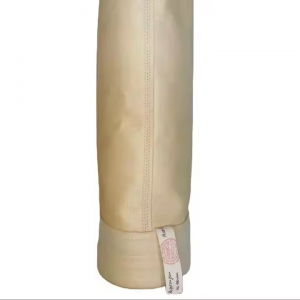
Application Fields of PPS Dust Filter Bags
Application Fields of PPS Dust Filter BagsDue to the excellent performance characteristics of PPS dust filter bags, they are widely used in many industries, playing a crucial role.Power Industry
- Coal-Fired Power Plants: The flue gas generated during coal combustion usually has a temperature range of 140 – 180°C and contains a large amount of acidic gases such as SO₂ and NOx, as well as dust. PPS dust filter bags can operate stably in such high-temperature and highly corrosive environments, effectively filtering dust and resisting the erosion of acidic gases. According to statistics, after a large coal-fired power plant adopted PPS filter bags, the dust emission concentration decreased from 50mg/m³ to below 10mg/m³, significantly improving environmental benefits, ensuring that the flue gas meets the emission standards, and meeting the increasingly stringent environmental protection requirements.
- Waste Incineration Power Generation: The flue gas generated by waste incineration has a complex composition, containing not only highly corrosive gases such as HCl and SO₂ but also pollutants like dioxins and heavy metals, with a large temperature fluctuation range (120 – 200°C). PPS filter bags, with their high-temperature resistance and chemical corrosion resistance, can efficiently intercept dust and pollutants while withstanding frequent temperature changes, ensuring the stable operation and environmental compliance of the waste incineration power generation system, and providing strong support for the sustainable development of the waste incineration power generation industry.
Steel Industry
In the steel production process, such as in blast furnace ironmaking, converter steelmaking, and other processes, a large amount of high-temperature dust and waste gas are generated. These waste gases contain a large number of dust particles and harmful gases such as CO and SO₂. PPS dust filter bags can efficiently remove dust particles in an environment with high temperature, high dust concentration, and corrosive gases, reduce the flue dust emission concentration, and minimize air pollution. At the same time, they protect production equipment, extend its service life, and improve production efficiency.Chemical Smelting Industry
In chemical production processes such as smelting, petrochemicals, and coking, the flue gas often contains high concentrations of acidic gases (such as sulfuric acid mist, hydrochloric acid gas), organic pollutants, and high-temperature dust. For example, in metallurgical processes such as copper and zinc smelting, PPS dust filter bags can effectively filter dust containing heavy metals and resist the corrosion of sulfides in the flue gas. In chemical production, many reaction processes generate corrosive waste gases. The chemical corrosion resistance of PPS filter bags enables them to adapt to these harsh working conditions, operate stably, and achieve efficient dust removal, providing reliable guarantee for environmentally friendly production in the chemical smelting industry.Building Materials and Cement Industry
The flue gas emitted from the kiln head and kiln tail of cement plants has a high temperature (150 – 200°C) and contains alkaline dust and a small amount of acidic gases. PPS filter bags can adapt to high-temperature environments and resist the abrasion of alkaline dust and the corrosion of acidic gases. In the cement production process, stable ventilation and efficient dust removal are crucial for ensuring product quality and production efficiency. PPS dust filter bags can efficiently filter dust, maintain stable ventilation during cement production, improve production efficiency, and meet environmental protection requirements, helping the building materials and cement industry achieve green production.Other Industries
In addition to the above main industries, PPS dust filter bags are also widely used in industries such as glass manufacturing, ceramic production, and biomass power generation. In the glass manufacturing process, the flue gas generated by high-temperature furnaces contains dust and some volatile substances, and PPS filter bags can effectively purify the flue gas. In the ceramic industry, a large amount of flue gas and dust generated during the firing process can also be treated by PPS dust filter bags. In biomass power generation, the flue gas contains many fine particles and some corrosive components. PPS filter bags can effectively remove particles and resist a certain degree of corrosion, ensuring the environmental protection of the biomass power generation process. -
Manufacturing Process of PPS Dust Filter Bags
Fiber Selection and Pretreatment
The production of PPS dust filter bags begins with the selection of high-quality PPS fibers. These fibers usually need to be pretreated before use to remove impurities and adjust the surface properties of the fibers, ensuring better bonding during subsequent processing and improving the overall performance of the filter bags. Pretreatment methods include washing, drying, surface modification, etc.Needle FeltingThe pretreated PPS fibers are carded into a web and then needled by a needling machine. During the needling process, barbed needles repeatedly penetrate the fiber web, causing the fibers to entangle with each other, forming a needle felt with a certain thickness and strength. The needling process enables the fibers to interweave in three-dimensional space, increasing the dirt-holding capacity of the filter bags and improving the filtration accuracy. By controlling the needling density and depth, the structure and performance of the needle felt can be adjusted to meet the requirements of different working conditions.Surface TreatmentTo further enhance the performance of PPS dust filter bags, the needle felt is usually subjected to surface treatment. Common surface treatment methods include singeing, calendering, and film coating. Singeing treatment can remove the fluff on the surface of the filter bags, reducing dust adhesion and making dust removal easier. Calendering treatment rolls the surface of the filter bags under high temperature and pressure, making the surface smoother and improving dust release. Film coating involves covering the surface of the filter bags with a Polytetrafluoroethylene (PTFE) film. This film has a microporous structure, which can further improve the filtration accuracy, achieving efficient filtration of ultra-fine dust particles. Meanwhile, it can also enhance the water and oil resistance of the filter bags. -
PPS Material Dust Filter Bags: Reliable Guardians of Industrial Environmental Protection
Dust pollution is a non-negligible issue in industrial production. It not only severely damages the environment but also endangers the health of workers and affects the normal operation of production equipment. To effectively address dust pollution, dust removal and filtration equipment have emerged. As the core component of such equipment, the performance of dust filter bags directly determines the effectiveness of dust removal. Among various materials for dust filter bags, Polyphenylene Sulfide (PPS) stands out with its excellent properties, becoming a reliable guardian in the field of industrial environmental protection.
Characteristics of PPS MaterialPPS is a high-performance special engineering plastic with a series of outstanding properties, making it highly suitable for manufacturing dust filter bags.High Temperature ResistancePPS material has a relatively high melting point, usually around 285°C, enabling PPS dust filter bags to operate stably in high-temperature environments. Generally, they can be used continuously at 190°C and withstand a maximum instantaneous temperature of 230°C. This excellent high-temperature resistance makes them perform exceptionally well in handling high-temperature flue gas. For instance, in high-temperature industrial scenarios such as coal-fired boilers, cement rotary kilns, and waste incinerators, PPS filter bags can effectively filter dust without deformation, aging, or damage due to high temperatures, ensuring the long-term stable operation of the dust removal system.Chemical Corrosion ResistancePPS exhibits strong resistance to acids, alkalis, salts, and most organic solvents. In industrial production, many flue gases contain various corrosive gases and chemical substances, such as sulfur dioxide (SO₂), nitrogen oxides (NOx) in the flue gas of coal-fired power plants, and sulfuric acid mist, hydrochloric acid gas in the flue gas of the chemical smelting industry. PPS dust filter bags can maintain their structural and performance stability in such complex and corrosive environments, effectively resisting the erosion of chemical substances. This significantly extends the service life of the filter bags and reduces equipment maintenance costs.Good Mechanical PropertiesPPS fibers have high strength and modulus, with mechanical properties similar to those of polyester fibers. This means that during the use of PPS dust filter bags, they can withstand significant pressure and friction, and are not prone to breakage or damage. In the process of pulse cleaning and other operations, filter bags need to withstand the impact and friction of airflow frequently. The high mechanical strength of PPS material ensures that the filter bags can withstand these tests and maintain good filtration performance.Flame RetardancyPPS is inherently a flame-retardant material, with a limiting oxygen index (LOI) ≥ 34, making it difficult to burn. In some industrial environments with fire risks, such as the waste incineration power generation industry, the flame retardancy of PPS dust filter bags is particularly important. They can effectively prevent the spread of fire in case of a fire, reducing the harm to equipment and personnel and ensuring production safety.High Filtration EfficiencyPPS dust filter bags are manufactured using advanced processes. The fiber structure is dense, and a three-dimensional structure formed by processes such as needling endows them with good porosity and air permeability. This structural feature enables the filter bags to effectively capture and intercept tiny dust particles. The filtration efficiency for dust particles larger than 0.1μm can reach over 99%, meeting strict environmental protection emission standards. They can efficiently remove dust particles from flue gas, significantly reducing the flue dust emission concentration and improving environmental quality. -
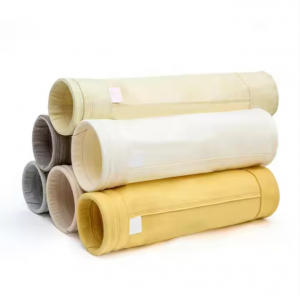
Filter Bags: The Ultimate Filtration Choice for Quality Assurance
In an era where quality and efficiency are of utmost importance, filter bags stand out as the ultimate choice for achieving optimal filtration results. These remarkable filter bags are designed to meet the diverse needs of different industries and applications, ensuring the highest level of product quality and environmental protection.
Filter bags are widely applied across multiple industries. In food processing, they are responsible for removing impurities from ingredients, ensuring the safety and quality of food products. From the extraction of pure fruit juices to the refining of edible oils, filter bags work tirelessly to deliver a perfect end – product. In the industrial sector, filter bags play a critical role in maintaining the integrity of production processes. They filter out contaminants from industrial fluids, chemicals, and paints, ensuring smooth operations and high – quality output. In environmental management, filter bags contribute to the treatment of wastewater, helping to preserve water resources and protect the ecosystem.The variety of materials used in filter bags offers distinct benefits. Nylon filter bags are highly durable and chemically resistant, making them suitable for heavy – duty industrial filtration tasks. Cotton filter bags, being natural and eco – friendly, are ideal for applications where contact with food is involved. Non – woven filter bags are known for their cost – effectiveness and good filtration capabilities, making them a common choice in many daily – use and commercial applications. Filter bags made from other materials, such as polyester, stainless steel, and polytetrafluoroethylene, offer specialized features for specific filtration challenges.The design and construction of filter bags are carefully crafted for superior performance. The high – density mesh design enables efficient capture of fine particles. Innovative manufacturing processes, including hot – melt bonding and precision sewing, ensure reliable performance and prevent any potential leakage. Special features like removable labels and precisely engineered metal rings further enhance the functionality of filter bags, ensuring a secure fit and minimizing the risk of contamination.Filter bags are also user – friendly in terms of maintenance. Their easy – to – clean nature allows for quick restoration of filtration performance. Their long service life reduces the frequency of replacement, saving both time and cost. With a comprehensive range of sizes and specifications, filter bags can be customized to meet the unique requirements of any filtration task. Whether it’s a small – scale home project or a large – scale industrial operation, filter bags are the reliable solution for achieving efficient and high – quality filtration. Trust filter bags to deliver the best results for all your filtration needs. -
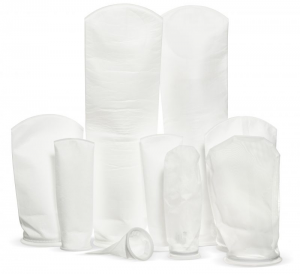
Explore the Superiority of Filter Bags: Your Key to High – Efficiency Filtration
Filter bags are the unsung heroes in the world of filtration, providing efficient and reliable solutions for countless applications. Their significance lies in their ability to deliver high – quality filtration, making them essential in both daily life and industrial operations.
In the food and beverage sector, filter bags are vital for producing top – notch products. When making soy milk, filter bags separate the soybean residue, leaving behind a smooth and nutritious drink. In the production of fruit juices, they remove unwanted pulp, enhancing the clarity and taste. In the industrial field, filter bags are used in a wide array of processes, from the purification of chemicals to the treatment of industrial fluids. They effectively remove particulate matter, ensuring the smooth progress of production and the quality of end – products. In environmental applications, filter bags are crucial for purifying wastewater, playing a key role in environmental protection.The materials of filter bags determine their performance and suitability for different tasks. Nylon filter bags are strong and resistant to chemicals and wear, making them suitable for harsh industrial environments. Cotton filter bags, with their natural and safe properties, are favored in food – processing scenarios. Non – woven filter bags combine affordability with good filtration efficiency, making them popular in many household and commercial applications. Other materials like polyester, stainless steel, and polytetrafluoroethylene offer specialized features for specific filtration requirements.The design of filter bags is optimized for maximum performance. The precisely engineered mesh structure ensures efficient particle removal. Advanced manufacturing methods, like the hot – melt process for non – woven bags and precision sewing techniques, guarantee reliable performance and prevent leakage. Attention to detail, such as the use of removable labels, shows the commitment to maintaining the purity of the filtrate. Filter bags with high – precision metal rings provide a secure fit, reducing the chances of side leakage.Maintenance of filter bags is straightforward, and their long – lasting nature makes them a cost – effective choice. Regular cleaning can restore their filtration ability, and their durability means less frequent replacement. The wide range of sizes and specifications of filter bags allows users to select the most suitable option for their specific needs. Whether you are a home cook, a small business owner, or a large – scale manufacturer, filter bags can meet your filtration requirements. Choose filter bags for a cleaner, purer, and more efficient filtration experience. -
Filter Bags: Unrivaled Filtration Solutions for Diverse Industries
Filter Bags: Unrivaled Filtration Solutions for Diverse IndustriesIn the modern world, where precision and purity are highly valued, filter bags have emerged as indispensable tools across a multitude of industries. These versatile filter bags play a crucial role in ensuring the quality of products and safeguarding the environment by efficiently removing impurities and contaminants.Filter bags find extensive applications in various sectors. In the food industry, filter bags are essential for maintaining the hygiene and taste of food products. Whether it’s the production of beverages like fruit juices and soy milk, or the refining of edible oils, filter bags with their fine – meshed structure can effectively separate residues such as fruit pulp and soybean dregs, guaranteeing a pure and delightful taste. In the industrial realm, filter bags are utilized for the purification of chemical raw materials, filtration of electroplating solutions and paints. High – performance filter bags, such as the BMN series, can provide precise micron – level filtration, meeting the stringent requirements of critical industrial applications. In environmental protection, filter bags contribute significantly to wastewater treatment, helping to separate solid impurities and promoting the recycling of water resources.The diverse range of materials used in filter bags offers unique advantages. Nylon filter bags are renowned for their excellent abrasion resistance and chemical stability. They can withstand high – temperature environments and are ideal for filtering liquids containing particulate impurities, widely used in industrial liquid filtration. Cotton filter bags, made from natural materials, are environmentally friendly and possess superior breathability and moisture absorption, making them perfect for food – related applications. Non – woven filter bags are cost – effective and highly efficient in filtration. They are commonly applied in air filtration, traditional Chinese medicine decoction, and tea – making, effectively filtering out dust and other impurities. Additionally, filter bags made of polyester, stainless steel, and polytetrafluoroethylene also shine in different working conditions, meeting diverse filtration needs.In terms of design and manufacturing, filter bags showcase outstanding craftsmanship. The high – density mesh design enhances filtration efficiency, enabling the capture of even the tiniest particles. Advanced manufacturing techniques, such as hot – melt bonding for non – woven filter bags and high – speed industrial sewing without silicone oil for stitched filter bags, ensure leak – proof performance and prevent contamination of the filtrate. Special attention is also paid to details like removable product labels to avoid any potential pollution. Some filter bags are equipped with stainless – steel collars or galvanized steel rings, which, through argon – arc welding technology, achieve high – precision dimensions, improving the sealing degree and reducing the risk of leakage.Filter bags are not only efficient but also easy to maintain and cost – effective. Most filter bags can be cleaned simply by shaking or rinsing after use. For stubborn stains, appropriate cleaning methods can be adopted according to the material. Their durability means fewer replacements, reducing overall costs. With a wide variety of sizes and specifications available, filter bags can perfectly adapt to different user requirements, from small – scale home use to large – scale industrial production. In conclusion, filter bags are the go – to choice for high – quality filtration, offering reliable solutions for various industries. -
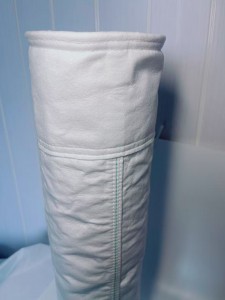
PE500/PTFE Filter Cloth Product Introduction
PE500/PTFE Filter Cloth Product Introduction
1. Product Overview The PE500/PTFE filter cloth combines the excellent properties of polyethylene (PE500) and polytetrafluoroethylene (PTFE), presenting itself as a high – performance filter material. It is engineered to meet the diverse filtration needs across multiple industries, providing efficient solid – liquid separation and ensuring long – term stable operation.
2. Material Characteristics -
**PE500**: This material endows the filter cloth with high tensile strength and good toughness, enabling it to withstand significant mechanical stress during the filtration process without easily deforming or breaking. It also exhibits good chemical resistance to a wide range of common chemicals, protecting the filter cloth from corrosion and extending its service life. –
PTFE: Known as “King of Plastics”, PTFE has outstanding chemical inertness, being resistant to almost all chemicals, including strong acids, alkalis, and organic solvents. Additionally, it has extremely low surface energy, resulting in excellent anti – sticking properties. Particles and residues are less likely to adhere to the surface of the PTFE – based filter cloth, facilitating easy cake release and reducing the frequency of cleaning.
3. Key Features – **High Filtration Efficiency**: With precisely controlled pore sizes, the PE500/PTFE filter cloth can effectively capture fine particles, achieving high – precision filtration. Whether filtering suspended solids in liquid or separating dust in gas, it can ensure the filtrate or discharged gas meets strict quality standards.
Long Service Life: Thanks to the excellent chemical and mechanical properties of its materials, the filter cloth has remarkable durability. It can maintain stable filtration performance over extended periods of continuous operation, reducing the frequency of replacement and thereby lowering overall operating costs.
**Good Chemical Stability**:
Resistant to various harsh chemical environments, it can be safely used in industries such as chemical engineering, pharmaceuticals, and electroplating, where highly corrosive substances are often present. – **Easy to Clean**: The anti – sticking property of PTFE makes cleaning a breeze. Both mechanical cleaning methods, such as backwashing and vibration, and chemical cleaning can effectively remove residues on the filter cloth, restoring its filtration performance quickly. ## 4. Application Scenarios – **Chemical Industry**: Ideal for filtering chemical reaction products, separating catalysts, and purifying chemical solvents. It can handle highly corrosive chemical media while maintaining high – quality filtration. – **Pharmaceutical Industry**: Used in the production process to filter pharmaceutical intermediates and final products, ensuring product purity and compliance with strict pharmaceutical standards. Its non – shedding and high – cleanliness characteristics are crucial in pharmaceutical manufacturing.
**Food and Beverage Industry**:
Suitable for filtering fruit juices, beverages, and edible oils. It meets food – grade safety requirements, ensuring no harmful substances are introduced during the filtration process and maintaining the taste and quality of food products. – **Mining and Metallurgy**: Helps in separating valuable minerals from ores and purifying wastewater generated during the mining and metallurgical processes. Its high – strength structure can withstand the harsh conditions of the mining environment.
5. Technical Parameters – *
*Filtration Precision**: [Specify the precise range, e.g., 0.1 - 100 microns] – **Tensile Strength**: [Provide the data, e.g., longitudinal tensile strength ≥ [X] N/cm, transverse tensile strength ≥ [Y] N/cm] – **Working Temperature**: – [X] °C to [X] °C – **pH Resistance Range**: [Specify the applicable pH range, e.g., 1 - 14]
If you have any further questions or specific requirements regarding our PE500/PTFE filter cloth, please feel free to contact us. Our professional team is ready to offer you detailed solutions and excellent after – sales service.
-
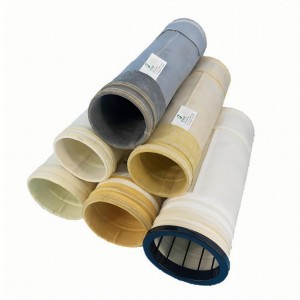
Wide Applications of Filter Bags
In the industrial field, filter bags can be seen everywhere. In the chemical industry, they are used for the filtration of various chemical raw materials and products, ensuring product quality and the smooth progress of the production process. In the food and beverage industry, from the filtration of raw materials to the filtration before filling of finished products, they ensure the safety and taste of food and beverages. In the pharmaceutical industry, which has extremely high requirements for filtration accuracy and hygiene, filter bags are used for the filtration of liquid medicines, removing impurities and microorganisms to ensure the quality and safety of drugs.
In the environmental protection field, filter bags play an important role. In sewage treatment plants, filter bags are used to filter impurities and suspended solids in sewage, laying the foundation for subsequent treatment processes. In industrial waste gas treatment, dust – removal filter bags can effectively reduce dust emissions, reduce pollution to the atmospheric environment, and help achieve environmental protection goals.In daily life, filter bags also quietly serve us. The water purifiers at home may use filter bags to filter impurities in water, allowing us to drink cleaner water. The pour – over coffee filter bags used by coffee lovers can filter out coffee grounds, bringing a pure coffee taste. Even in the kitchen, some filter bags for making soup can filter out the residue in the soup, making the soup more delicious.Although filter bags seem inconspicuous, they play an indispensable role in various fields. With the continuous progress of science and technology and the increasing requirements for filtration, the performance and quality of filter bags are also constantly improving. In the future, they will continue to serve as key guardians in the filtration world, escorting our lives and production. -
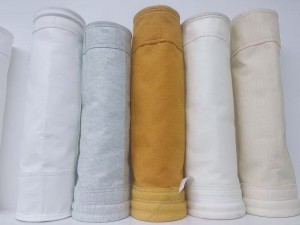
The Ingenious Working Principle of Filter Bags
he working principle of filter bags is mainly based on functions such as screening, interception, and adsorption. Taking liquid filter bags as an example, when the liquid flows from the inside to the outside of the filter bag, particles larger than the pore size of the filter bag will be directly intercepted inside the bag, which is the screening function. For some smaller particles, although they can pass through the pore size of the filter bag, they will be retained inside the filter bag due to the interception of the filter bag fibers and the mutual collision of particles, which belongs to the interception function. In addition, the material of the filter bag itself may have certain adsorption properties for some substances, which can adsorb some tiny impurities and pollutants, further improving the filtration effect.
In the entire filtration system, filter bags work together with filter containers, support baskets, etc. The liquid or gas to be filtered is injected from the top of the filter bag supported by the support basket, making the fluid evenly distributed on the entire surface of the filter bag, avoiding adverse factors such as turbulence. This design can make full use of the filtration area of the filter bag and improve the filtration efficiency. Moreover, the filtered particles are intercepted inside the bag, and the filtered fluid will not be contaminated when replacing the filter bag. Some filter bags are also designed with handles for quick and convenient replacement of filter bags. -
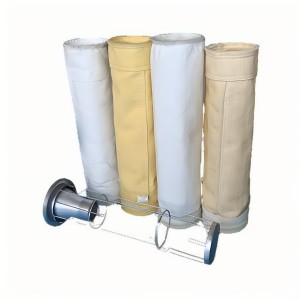
Filter Bags: The Key Guardians in the Filtration World
In the world we live in, filtration is everywhere, from the water and coffee we drink daily to various liquids and gases in industrial production. Among numerous filtration devices, filter bags have become a crucial part of the filtration process due to their unique performance and wide applications.I. A Wide Variety of Filter Bags
Filter bags are made of diverse materials, enabling them to meet various filtration requirements. Common materials include polyester, polypropylene, nylon, glass fiber, FMS (Fluoride Modified Synthetic Fiber), etc.Polyester filter bags have good chemical stability and certain strength and are widely used in general liquid filtration, such as in industrial wastewater treatment and chemical liquid filtration. Polypropylene filter bags have good resistance to acids and alkalis and are often used in some liquid filtration scenarios with strong corrosiveness, such as the filtration of electroplating solutions and chemica raw material liquids. Nylon filter bags have precise pore sizes and can achieve high – precision filtration. They play an important role in the food and beverage industry, such as in the filtration of wine and fruit juice, ensuring the purity of products. Glass fiber filter bags have excellent high – temperature resistance and can be used for the filtration of high – temperature gases, for example, in the high – temperature flue gas dust removal in steel plants and cement plants. FMS filter bags are not only resistant to high temperatures but also highly corrosion – resistant, suitable for some harsh industrial environments.Iln terms of structure and use, filter bags can be divided into liquid filter bags, dust – removal filter bags, air – purification filter bags, etc. Liquid filter bags have different filtration accuracies ranging from 0.5 microns to 300 microns, which can meet various needs from high – precision liquid filtration in the electronics industry to general industrial liquid rough filtration. Dust – removal filter bags are mainly applied in the industrial dust – removal field. In places like cement plants and steel plants, they can effectively capture dust, reduce dust pollution to the environment, and ensure a clean production environment. Air – purification filter bags are commonly found in air – conditioning systems and air purifiers, filtering dust, pollen, bacteria, and other pollutants in the air to provide people with fresh and healthy air. -
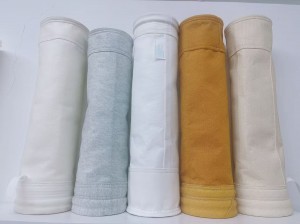
Structural Classification and Filtration Modes of Dust Removal Filter Bags
The structural design of dust removal filter bags directly impacts their filtration efficiency and applicability. Based on cross-sectional shape, they can be categorized as:- Round filter bags: The most common type, cylindrical in shape, specified by diameter × length (D×L). Their simple structure ensures uniform airflow distribution, suitable for most standard dust collectors.
- Flat filter bags: Including rectangular and trapezoidal shapes, specified by perimeter × length (P×L). Flat bags maximize filtration area in limited spaces, improving efficiency in compact dust removal systems.
- Special-shaped filter bags: Unconventional forms like star or polygonal shapes, designed for unique operational needs, with specifications based on specific structural parameters.
In terms of filtration modes, filter bags can be internally filtered or externally filtered:- Internally filtered bags: Dusty gas enters from the inside, and dust is trapped on the inner surface. This design facilitates cleaning but requires regular maintenance to prevent internal dust accumulation.
- Externally filtered bags: Dusty gas enters from the outside, with dust adhering to the outer surface. Often paired with pulse-jet cleaning systems, external filtration offers more thorough dust removal, ideal for high-concentration dust environments.
Moreover, material and structural design must work in tandem. For instance, needle-punched felt or flocked filter fabrics, with their dense pore structures, can initiate sieving early in the filtration process without relying solely on dust layer formation. This design enhances efficiency, particularly for capturing fine, dry, non-fibrous dust.Each structural type and filtration mode has its advantages and limitations. Selection should consider factors such as dust characteristics, equipment space, and cleaning methods to ensure the efficient and stable operation of dust removal systems.