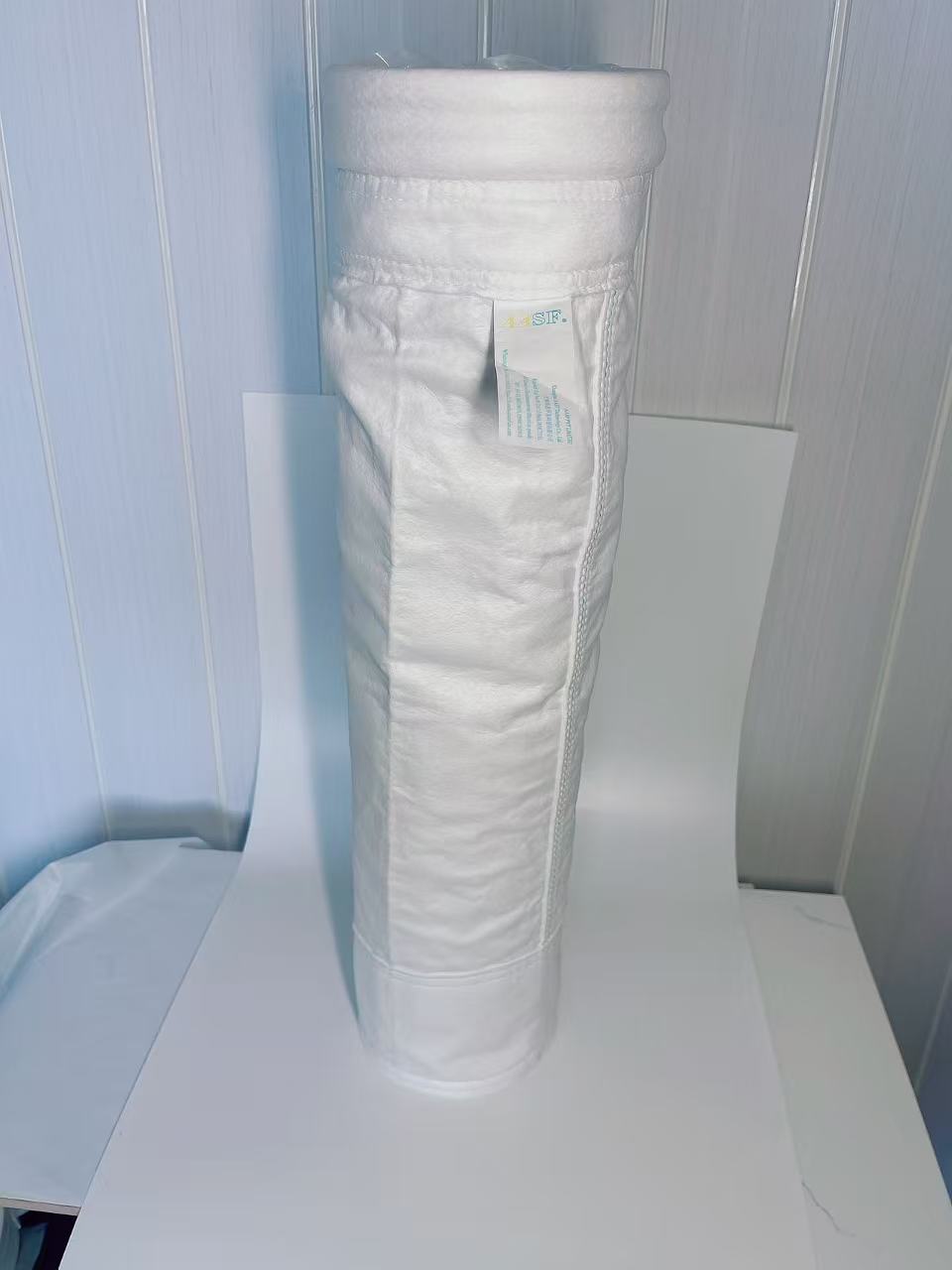
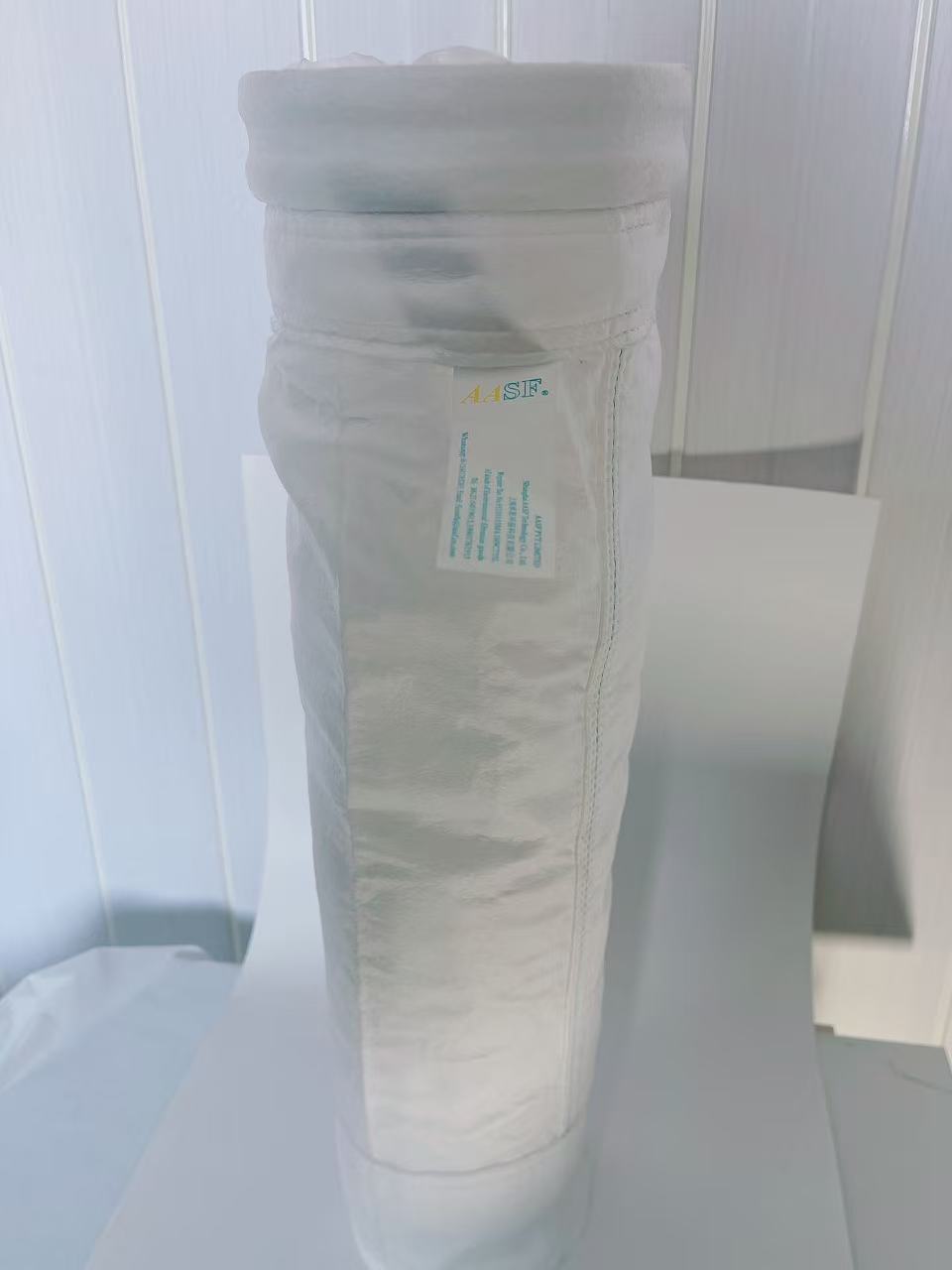
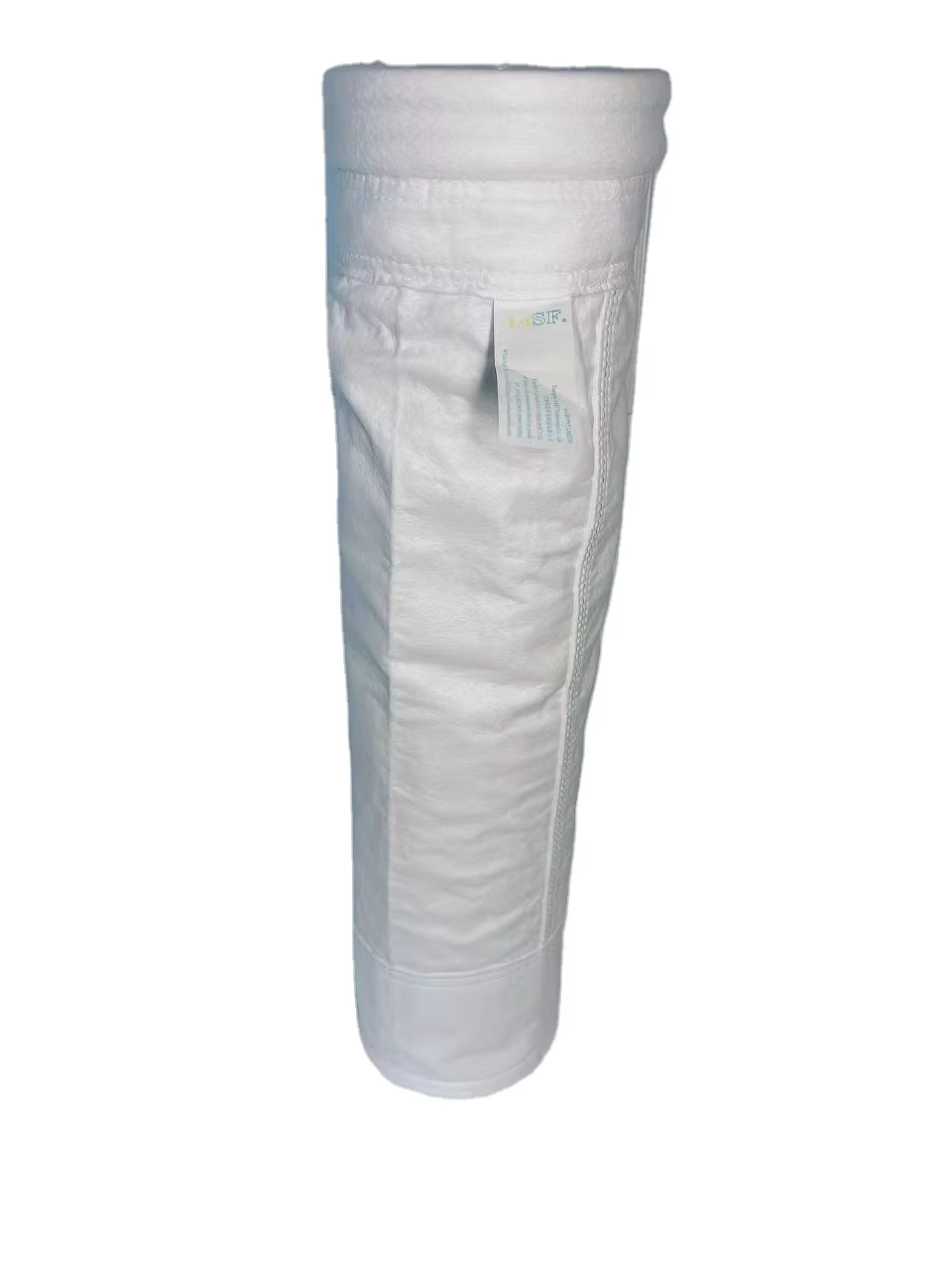
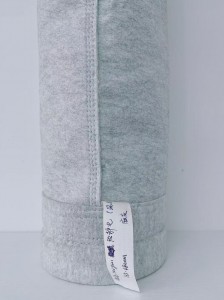
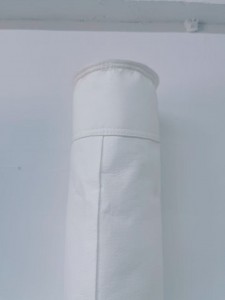
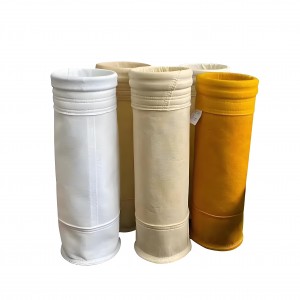
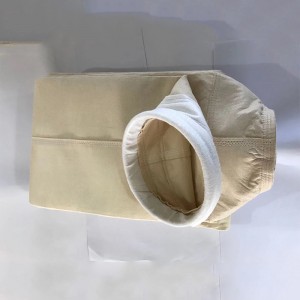
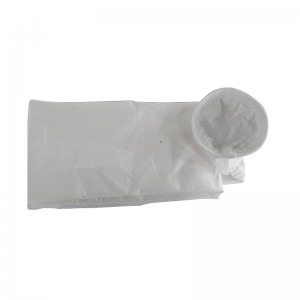
With normalized environmental rectification, many factories still face problems including filter bag damage, sharp pressure difference rise, shortened service life and excessive emissions after blindly replacing PTFE filter bags. Such failures rarely result from material defects, but improper selection, non-standard installation, inadequate maintenance and mixed process application. Based on front-line engineering practice, this article sorts out a complete set of schemes for PTFE filter bag classification and selection, installation risk avoidance, service life extension and cost optimization, for reference of environmental protection operation and maintenance personnel, purchasers and equipment engineers.
1. Distinguish Product Types to Avoid Blind Procurement: Differences Between Three Types of PTFE Filter Bags
The PTFE filter bag market is mixed with uneven products, with a maximum price gap of 100%. The three types apply to totally different working conditions, causing frequent procurement pitfalls:
1.1 All-PTFE Needle Felt Filter Bags
Woven with 100% pure PTFE fibers without mixed auxiliary materials, it boasts optimal corrosion resistance, temperature resistance and mechanical strength with the highest cost. It adapts to extreme working conditions such as municipal waste incineration and high-corrosion smelting, with a service life of 8 to 10 years. Low-cost composite products shall never be substituted, otherwise rapid damage will occur in short-term operation.
1.2 Substrate Composite PTFE Filter Bags
Adopting PPS or glass fiber as the base cloth and compounding PTFE fibers on the surface, it delivers moderate cost performance, suitable for flue gas with medium corrosion and temperature below 200℃, widely used in thermal power and cement industries. Its main defect is that the bottom base cloth is prone to corrosion and fracture under high-temperature and strong-corrosion environments, so it is only applicable to production lines with stable working conditions.
1.3 ePTFE Laminated PTFE Filter Bags
It is produced by laminating expanded PTFE microporous membrane on ordinary filter materials, featured with high-precision dust removal, good air permeability and easy ash cleaning, mainly used for ultra-low emission renovation. Its disadvantage is the thin and fragile membrane layer, which is easy to delaminate and damage when rubbed by sharp hard objects, so it is not recommended for working conditions with severe dust abrasion.
2. Four Common Selection Misunderstandings Made by 90% of Factories
Misunderstanding 1: Only Focus on Material While Ignoring Seam Technology
PTFE cannot be sewn by hot-melt stitching; ordinary thread stitching leaves gaps with poor corrosion resistance, and seams always crack first during operation. Qualified filter bags must adopt the hot-melt welding process with seamless compression bonding to prevent dust leakage from pinholes and seam corrosion. Purchasers must verify the welding process before procurement.